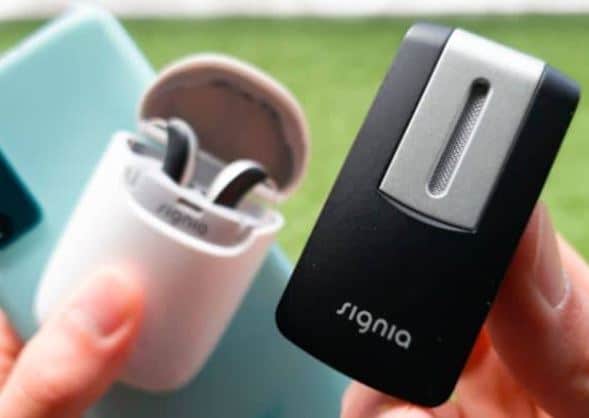


Brian Taylor, AuD, is the Senior Director of Audiology for Signia. He is a veteran of the hearing industry with more than 25 years of experience. Brian is a prolific and respected contributor to the industry with more than 25 publications and numerous speaking engagements both domestically and internationally. He is also the editor of Audiology Practices, a quarterly journal of the Academy of Doctors of Audiology, Editor-at-Large for Hearing Health and Technology Matters and adjunct instructor at the University of Wisconsin.
Featured image for “AudiologyNOW and FTC Workshop Focus on Innovation & Competition”
Apr. 20, 2017

AudiologyNOW and FTC Workshop Focus on Innovation & Competition

Brian Taylor
As the month of April draws to a close, as large parts of the country continue to wait for the full bloom of spring, audiologists look back on two recently concluded events. Key topics at both events hold potentially monumental consequences, as government regulatory agencies wrestle with issues related to competition, innovation and consumer access. The American Academy of Audiology
Featured image for “New Method for Predicting Speech Intelligibility Holds Promise in Hearing Aid Design”
Apr. 06, 2017

New Method for Predicting Speech Intelligibility Holds Promise in Hearing Aid Design

Brian Taylor
Since at least 1950 when Fletcher and Galt published a scientific paper on the Articulation Index (AI), hearing care professionals have examined the relationship between frequency-specific audibility and speech intelligibility. As most know, the current standard for quantifying this relationship is the Speech Intelligibility Index or SII. Although the SII has been around for about 20 years, there are others
Featured image for “Clonal Expansion Leads to Hair Cell Regeneration”
Mar. 19, 2017

Clonal Expansion Leads to Hair Cell Regeneration

Brian Taylor
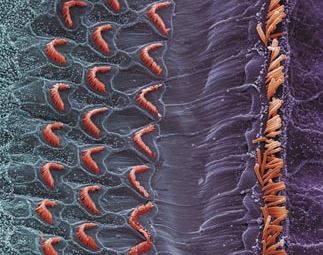
According to the World Health Organization over 5% of the world’s population has some degree of hearing loss. Inner ear hair cell and auditory nerve damage, typically caused by noise exposure, ototoxic drugs, viral or bacterial infection, and aging accounts for more than 80% of all cases of hearing loss. Regeneration of these damaged hair cells has been considered by
Featured image for “Important Randomized, Placebo-Controlled, Study Sheds Light on OTC Delivery Model”
Mar. 07, 2017

Important Randomized, Placebo-Controlled, Study Sheds Light on OTC Delivery Model

Brian Taylor
As most know, accessibility and affordability of hearing aids is a hot button issue of national importance. On March 3, for example, the Journal of the American Medical Association Internal Medicine posted a summary of the issue surrounding over-the-counter hearing aids on their website. Authored by Senators Chuck Grassley (R-Iowa) and Elizabeth Warren (D-Massachusetts) the article makes clear the Senators
Featured image for “Study Shows Coupling Between Brains”
Mar. 02, 2017

Study Shows Coupling Between Brains

Brian Taylor
Spoken verbal communication between people involves the relaying of information through the use of sound patterns in language. It is the assessment and remediation of this breakdown of sound patterns in the auditory pathway of an individual, an essential part of this communication process, that an audiologist is trained to do. In a Nature Scientific Report dated February 27, researchers
Featured image for “ADA Lawsuit Dismissed in US District Court”
Feb. 28, 2017

ADA Lawsuit Dismissed in US District Court

Brian Taylor
Last year the International Hearing Society (IHS) announced the creation of a Tinnitus Care Provider Certificate Program, described at the time as “a comprehensive curriculum that focuses on tinnitus patient care involving physiology, psychology, measurement, management, and practice organization.” Shortly after the announcement of this certification program, the Academy of Doctors of Audiology (ADA) filed suit in a US District
Featured image for “HHTM Editor, Jane Madell, Among AAA Award Honorees for 2017”
Feb. 20, 2017

HHTM Editor, Jane Madell, Among AAA Award Honorees for 2017

Brian Taylor
RESTON, VIRGINIA — On February 9th the American Academy of Audiology (AAA) announced its 2017 honorees. These distinguished professionals are being recognized by AAA for the significant impact to the audiology profession or hearing sciences. They will be honored at the upcoming AudiologyNOW! meeting, April 5-8, in Indianapolis. Together, the honorees will present a CEU learning module, “The Evolution of
Featured image for “Recent PSAP and OTC Studies Warrant Cautious Interpretation”
Feb. 16, 2017

Recent PSAP and OTC Studies Warrant Cautious Interpretation

Brian Taylor
With mounting anxiety over direct-to-consumer Personal Sound Amplification Products (PSAP) quality and availability, a few studies, published mainly in the non-refereed journals and online, have systematically evaluated their electroacoustic characteristics relative to hearing aids. The growing list of published studies comparing PSAP performance to that of modern hearing aids includes work from Northwestern University, Johns Hopkins School of Medicine and
Featured image for “Hearing Aids Attract Attention in the National Press”
Feb. 06, 2017

Hearing Aids Attract Attention in the National Press

Brian Taylor
As talk of hearing aid deregulation in the U.S. continues to swirl, over the past two weeks, there have been several hearing aid-related articles in the popular press.   In a Wall Street Journal letter to the editor, Garden City, New York audiologist, Roy Sullivan, PhD, responded to a January 12th WSJ article, titled “How Trump Can Help Millions Hear.”
Featured image for “Binaural Interference a Factor in Some Hearing Aid Fittings”
Feb. 02, 2017

Binaural Interference a Factor in Some Hearing Aid Fittings

Brian Taylor
It has been standard practice in the United States for decades to fit individuals who have bilateral, symmetrical hearing loss with two hearing aids. According to survey data from 2014, more than 80% of hearing aid fittings are bilateral in nature. However, some studies indicate between roughly 30% to 45% of listeners with symmetrical hearing loss prefer a single hearing