


“I don’t want people to know about my hearing issues. They might think I am slow or out of touch. So, I don’t mention that I have trouble hearing and keep my devices hidden.”
“Wow, my hearing devices/glasses/apps/assistive listening systems are helping me hear better in this loud space! Have you tried one?”
The first statement is fueled by stigma. The second by the confidence we feel when our hearing devices support easier conversation.
Stigma is a long-standing issue in the hearing care industry. Despite advances in technology and a reduction in stigma for other disabilities, hearing loss remains associated with negative stereotypes that people want to avoid—aging, weakness, foolishness, or being out of touch. Long-retired terms like “deaf and dumb” may be out of favor, but their shadow remains.
While technology is not the only thing needed for good communication, it is one of the three critical pillars of living well with hearing loss that we identify in Hear & Beyond: Live Skillfully with Hearing Loss. And it is an important one. Sadly, stigma often holds people back from fully embracing hearing tech.
In fact, only 20% of people who could benefit from a hearing aid actually use one. While cost and access to hearing care contribute, this usage trend holds even when hearing aids are free as part of national health plans, leaving stigma as the primary culprit in my view.
How can the industry create products, services, consumer dialogue, and marketing materials that inspire the use of hearing devices? Here are a few ideas.
Upgrade Hearing Aid Imagery in Media Coverage
Many hoped that over-the-counter (OTC) hearing aids would boost the uptake of hearing devices, thinking that if aids were cheaper and more readily accessible, usage would increase. But this shift has been slow to materialize.
Part of the problem was that most of the early products missed the boat. Many looked like typical devices and didn’t include must-have features like Bluetooth streaming. They did nothing to change the consumer’s mindset about hearing devices.
Compounding the issue were the outdated and old-fashioned images that media outlets used in their coverage of the new law. Many of the devices shown were decades old. Others weren’t even hearing aids but instead outdated personal-amplifying devices. Not the best way to reduce stigma. Sadly, the wide media coverage of the OTC law may have further entrenched the stigma of hearing devices within the general public.
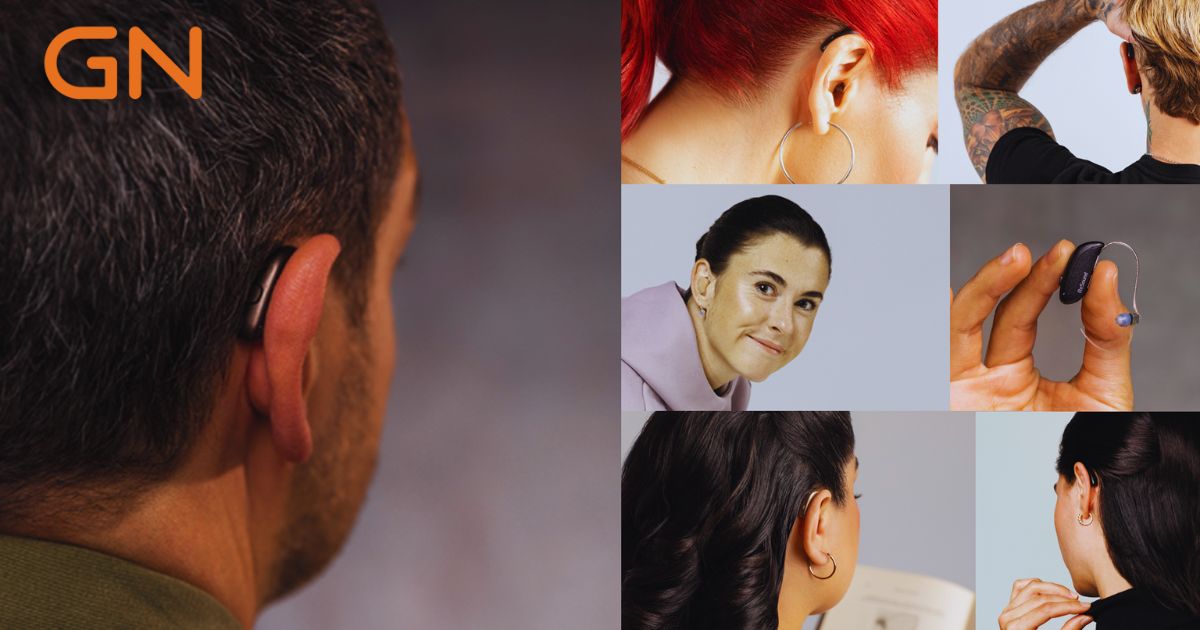
In March 2024, GN Launched ‘The New Norm’ Image Bank to Combat Stigma and Misperceptions Around Hearing Loss and Hearing Aids
Meet Consumer Needs for Discreet Products
People with more severe and profound hearing losses may not have the luxury of differentiated form factors or barely-there hearing devices, but they are also not the people who typically avoid care. For them, hearing assistance is a necessity, not a nice-to-have.
To expand hearing device usage, we must bring those with mild to moderate hearing loss into the fold as well. Yes, many of them are struggling in difficult listening situations, but they are still likely “getting by” or think they are. It will take more than the status quo to get them interested in hearing care.
Rather than battle the consumer’s desire for sleek, modern, and disguised hearing help, maybe the industry should try to embrace it! For newcomers, adopting a “cool-looking consumer electronic that helps you hear better” is a lower hurdle than the purchase of a “hearing aid.” When users feel confident using hearing help, stigma dies.
Products with atypical form factors (i.e., hearing glasses, AirPods) from respected and widely distributed brands like Apple and EssilorLuxottica may help turn the tide.
Leverage Personal Stories and Peer Support
Meeting other people with hearing loss helped me feel less alone in my communication struggles. Seeing others live successfully and productively with hearing devices of all types gave me hope that I could do the same. And as I learned from them how to do so, my confidence grew.
With time, the stigma I had carried with me all my life withered away.
Role models and peer support are invaluable for people at all stages of the hearing loss journey. Including real people with authentic stories in marketing materials and media discussions of hearing loss is needed. And this coverage must feature people of all ages and with all degrees of hearing loss. Seeing others live confidently with help from hearing devices might be the push others need to give confidence a try.
What Does Success Look Like?
How will we know when stigma has been replaced by confidence?
When we see fewer stigmatized portrayals of people with hearing loss in mainstream media. When out-of-date hearing aid imagery is replaced with realistic portrayals of a variety of sleek, modern options in both visible and “discreet” form factors. And most importantly, when the usage of hearing devices of all shapes and sizes increases.
Better communication for all will be the happy result.

Shari Eberts is a passionate hearing health advocate and internationally recognized author and speaker on hearing loss issues. She is the founder of Living with Hearing Loss, a popular blog and online community for people with hearing loss, and an executive producer of We Hear You, an award-winning documentary about the hearing loss experience. Her book, Hear & Beyond: Live Skillfully with Hearing Loss, (co-authored with Gael Hannan) is the ultimate survival guide to living well with hearing loss. Shari has an adult-onset genetic hearing loss and hopes that by sharing her story, she will help others to live more peacefully with their own hearing issues. Connect with Shari: Blog, Facebook, LinkedIn, Twitter.