

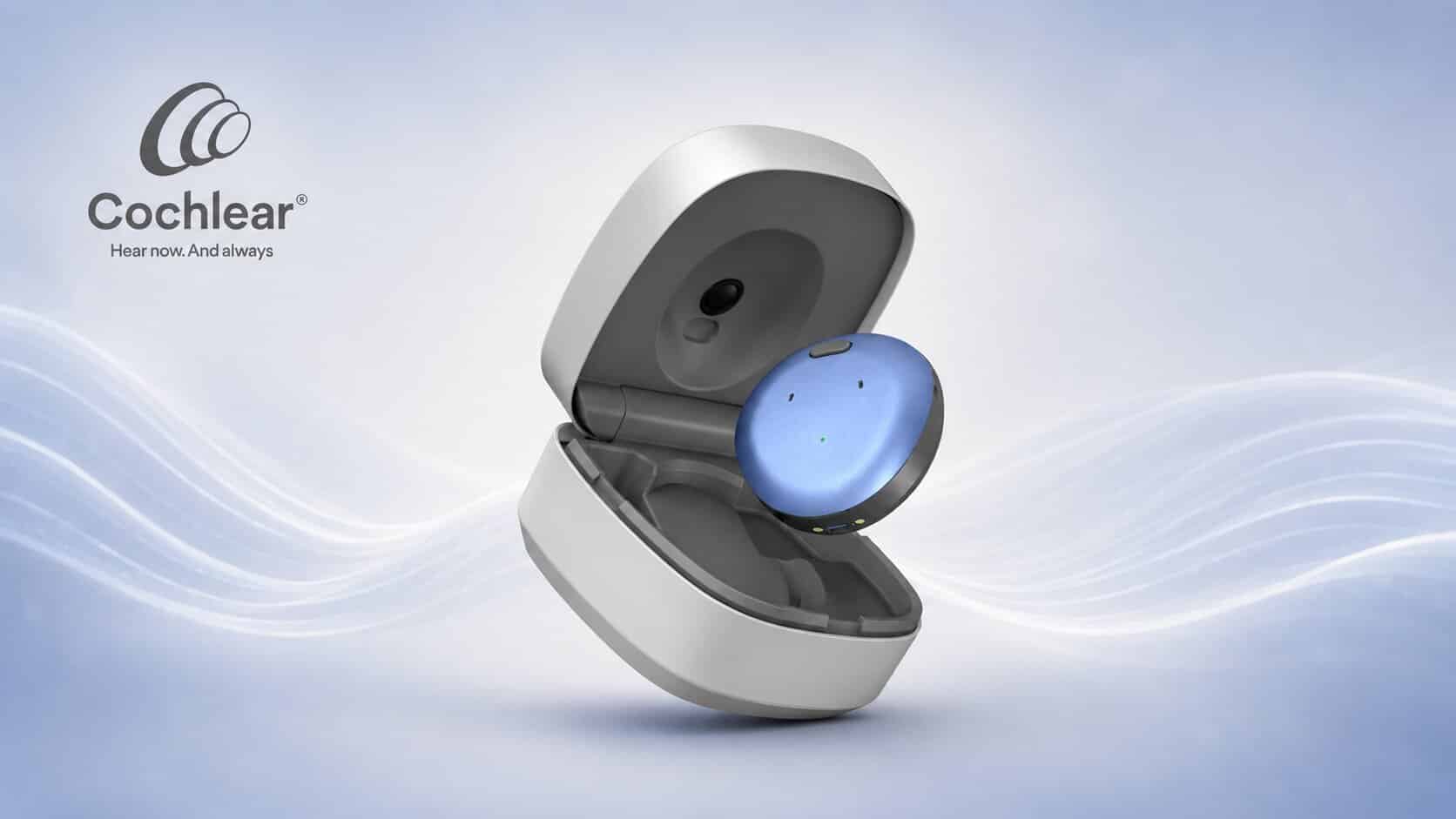
LONE TREE, COLORADO — Cochlear Limited (ASX: COH) today announced FDA clearance of the new Cochlear® Osia® 3 Sound Processor, the latest generation of its Osia® bone conduction hearing system.‡
Cochlear’s bone conduction hearing solutions are designed for children and adults with conductive hearing loss, mixed hearing loss, and single-sided deafness (SSD).
Key Features of the Osia 3 Sound Processor
- Rechargeable design: According to Cochlear, the Osia 3 is the first fully rechargeable active bone conduction sound processor and provides up to 30 hours of battery life on a single charge.†,7-9
- Expanded fitting range: A new signal processing platform and lithium-ion battery support a fitting range of up to 65 dB HL bone conduction thresholds in the mid- to high-frequency range.¥,10
- Streaming options: The device supports streaming from Android™, Apple®, Bluetooth® LE Audio, and Auracast™ broadcast audio sources.
- Osia Fitting Software 3: Remote Care compatibility, wireless fitting, and expanded data logging are designed to support more flexible programming and follow-up.×
The Osia 3 Sound Processor retains existing Osia System features, including high-frequency Piezo Power™ performance, MRI compatibility at 1.5 and 3 T*, and demonstrated reliability,1 while adding:
- A fully rechargeable active bone conduction sound processor
- Additional high-frequency power and updated sound processing2,3
- Expanded wireless streaming options^
Rechargeable Design and Expanded Fitting Range
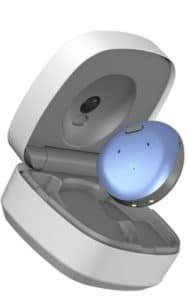
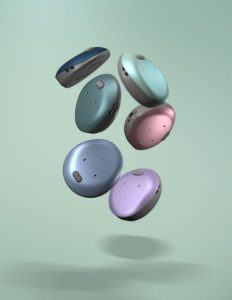 According to Cochlear, the Osia 3 is the first fully rechargeable active bone conduction sound processor and provides up to 30 hours of hearing on a single charge.†,7-9 The device also includes a portable charging case that stores multiple additional charges. The rechargeable design eliminates the need to purchase and handle disposable batteries.
Design changes, including the addition of a lithium-ion battery and updated hardware, extend the fitting range to bone conduction thresholds of up to 65 dB HL in the mid- to high-frequency range.¥ Clinical studies cited by Cochlear found improved speech understanding and a preference for the sound quality of the Osia 3 Sound Processor compared with the previous generation.2,3
“I cannot do justice how much of an incredible transformation the Cochlear Osia System has been to me,” Dr. Fred Wamboldt, Osia 3 System recipient said. Soon after surgery, I sat down in front of an old surround sound stereo I have and put on one of my favorite jazz albums. The horns were to my left, the saxophone to my right, the drums coming behind me, it was amazing. And that was just the start of the joy of what getting my hearing back with the Osia System has meant to me.”
–Dr. Fred Wamboldt, an Osia 3 System recipient
Updated Signal Processing and Connectivity
 The new Zaphium™ signal processing chip provides a wider frequency bandwidth than the previous generation and incorporates ForwardFocus technology, which is designed to support listening in noisy environments. In Cochlear-sponsored clinical research, 97% of participants reported being satisfied or very satisfied with the device’s overall sound quality.2
The Osia 3 Sound Processor supports direct streaming from Apple®, Android™, and Bluetooth® LE Audio-enabled devices.^ It also supports Auracast™ broadcast audio, allowing users to connect to compatible shared audio streams in settings such as cinemas, concert venues, lecture halls, and airports as the technology becomes more widely adopted.α
Eligible existing Osia System recipients can upgrade to the Osia 3 Sound Processor regardless of which compatible Osia implant model they currently use.‡
“We put recipients at the heart of everything we do, and this innovation represents our continued commitment to transforming their hearing experience.”
–Lisa Aubert, President of Cochlear North America
Wireless fitting technology and enhanced data logging support remote programming and follow-up through Cochlear’s Remote Care platform. Sound processor adjustments can be completed during a secure video appointment when clinically appropriate.×
Learn more about the Osia 3 Sound Processor.
The Osia 3 Sound Processor is expected to become available in the United States in early fall. Availability in other countries remains subject to regulatory approval.
About Cochlear Limited (ASX: COH)
People have always been Cochlear’s inspiration, ever since Professor Graeme Clark set out to create the first multi-channel cochlear implant after seeing his father struggle with hearing loss. Since 1981, Cochlear has helped more than 750,000 people of all ages in more than 180 countries to hear. As the global leader in implantable hearing solutions, Cochlear connects people with life’s opportunities, and welcomes them to the world’s largest hearing implant community.
Cochlear has a global workforce of more than 5,500 people, with a passion for progress, who strive to meet the needs of people living with hearing loss. The company continually innovates to anticipate future needs, investing more than AUD$3 billion to date in research and development to push the boundaries of technology and help more people hear.
¥ Refer to the relevant Osia System datasheet for additional fitting range information.
‡ The Osia 3 Sound Processor has two versions, which differ only in magnet compatibility to the implant. The OSI300 Implant is compatible with the Osia 3(I) Sound Processor version.
# Based on Cochlear global sales data and estimated market share for the previous financial year.
* Cochlear Osia implants are MR Conditional, meaning they have demonstrated safety in the Magnetic Resonance Imaging (MRI) environment within defined conditions. Always read the instructions for use and discuss with your doctor before undertaking any MRI procedure. Refer to the Osia MRI Guideline for further information.
† Battery life varies for every user, according to the age of the battery, the programs used each day, your implant type, the thickness of skin covering your implant, and the size and type of battery used. Streaming may decrease sound processor battery life depending on how often and for how long streaming is engaged.
^ For information regarding the compatibility of Cochlear’s sound processors with Apple or Android devices, visit www.cochlear.com/compatibility.
× Remote Assist for Osia for compatible Osia sound processors is intended for a follow-up adjustment or setup of a replacement or upgrade sound processor for suitable qualified patients based on clinical judgment. Only available at clinics that have enrolled in Remote Care.
α As Bluetooth LE Audio compatible devices become available, a sound processor firmware update will be required to use certain features. Auracast™ broadcast audio capability is subject to third-party adoption of the Auracast protocol. The Bluetooth® and Auracast™ word mark and logos are registered trademarks owned by Bluetooth SIG, Inc. and any use of such marks by Cochlear is under license.
Views expressed by Cochlear recipients are those of the individual. Consult your hearing health provider to determine if you are a candidate for Cochlear technology. Outcomes and results may vary.
References
- Osia Reliability Report. Cochlear Limited, Sweden. 2025; D1841762.
- CLTD5861 Clinical Investigation Report. Cochlear Limited, Sweden. 2026; D2367205. n=29.
- CLTD5839 Clinical Investigation Report. Cochlear Limited, Sweden. 2025; D2367209.
- Osia 3(I) Sound Processor and OSI300 Implant Datasheet. Cochlear Limited, Sweden. 2026; D2304776.
- BCI602 BONEBRIDGE System Factsheet. MED-EL. 29214 r4.0.
- Sentio 1 Mini Product Information. Oticon Medical. 275144en – Version A / 2024.0.
- Cochlear Limited. D2304775-V1_EN Osia 3 SP and OSI200 PROF Datasheet.
- Cochlear Limited. D2304776-V1_EN Osia 3(I) SP and OSI300 PROF Datasheet.
- www.oticonmedical.com, www.medel.com, www.cochlear.com.
- Hearing Outcomes With the Osia 3 Sound Processor Compared to the Osia 2 Sound Processor in Adult Osia Implant Recipients (SONUS). ClinicalTrials.gov. NCT07156461. Available at: https://clinicaltrials.gov/study/NCT07156461?term=Osia%203%20Sound%20Processor&rank=2