

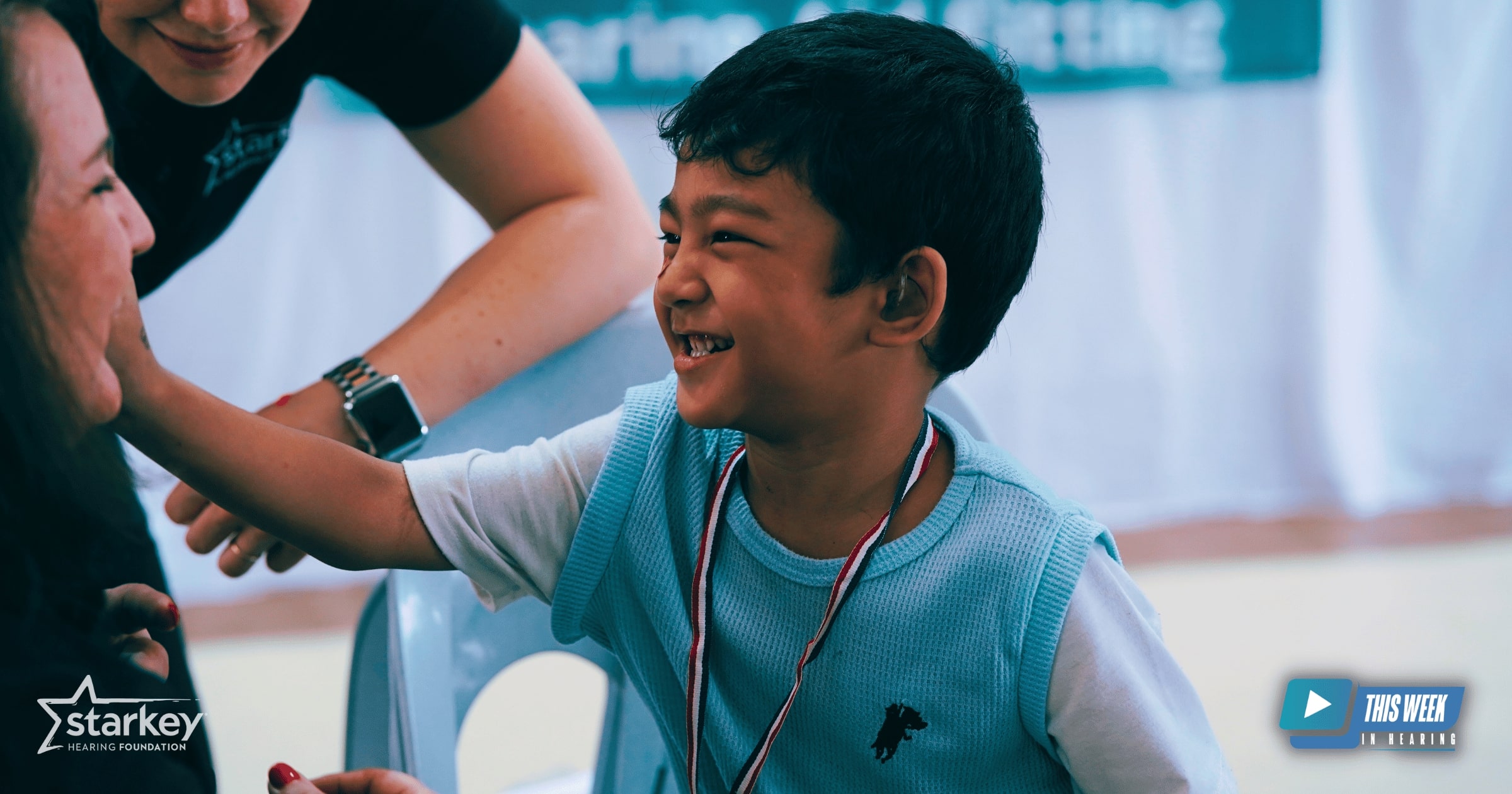
What does it take to build sustainable hearing care infrastructure in underserved regions of the world? In this inspiring interview, Andrew Bellavia is joined by Richard Brown, Chairman and President of the Starkey Hearing Foundation, and Dr. Alfred Mwamba, Executive Director of the Starkey Hearing Institute in Zambia, to explore the foundation’s evolution from mission-based outreach to a scalable, community-empowered model of hearing healthcare.
Brown and Mwamba detail how the Starkey Hearing Institute is training local healthcare workers to become hearing care providers, especially in regions where audiologists are scarce or non-existent. They share the foundation’s efforts to ensure long-term care, improve professional recognition, and work in partnership with local governments and universities to expand services across Africa and beyond.
Their conversation highlights the importance of dignity, respect, and community-rooted solutions in tackling global hearing loss.
Full Episode Transcript
Hello everyone and welcome to This Week in Hearing. I’ve had a number of discussions and interviews centered around global hearing care accessibility. But the ones I’ve enjoyed the most have been with people either on the ground and underserved regions or those providing the infrastructure specifically to meet those needs. One thing I’ve learned from those conversations is that one size definitely does not fit all and that one has to consider the entire infrastructure and culture of a place to deliver hearing care, deliver and follow up to be effective. That was made very clear to me when I hosted a panel for Hearing Health & Technology Matters Future of Hearing Health Care virtual conference a couple years ago in which Shelly Chahda of the WHO, was one of the participants. Now, one organization working to do all that, that’s the Starkey Hearing Foundation, started more than 40 years ago. I knew them from my time at Knowles who sponsored a couple of their hearing missions in different places while I was there. I actually tried to get on one of those, but it was really stiff competition and I was never able to make it. But I also remember thinking that it was all well and good to swoop into a place, fit a bunch of people over the course of a week and then move on. But how was the follow up care managed? And what about the vast number of people not lucky enough to be served in that short time they were there? Now, even as I was thinking those things, the Starkey Hearing Foundation was already on it. So to learn what they’re doing now, I have with me today the foundation board chairman and president Richard Brown, and Alfred Mwamba, the executive director of the Starkey Hearing Institute in Zambia. Thank you both for spending some time with me today. Thanks Andrew. Thanks for having us. Pleasure to be here and thank you both. Richard tell everyone a little bit about yourself and how you came to be involved in the foundation. Well the story is a fun one. I had done a lot of work with Special Olympics and was at an awards banquet where I met the founder of the Starkey Hearing Foundation, Bill Austin. Bill and Tani Austin. And it was that night that I was the first time I met Mr. Austin and I heard what he was doing around the world. And I was saying to myself when I was listening, is that possible? Is there one person who cares so much about hearing healthcare that he would dedicate his life to the people around the world? And I talked to him that night and I said, you know, I’d really like to learn more about the work that you’re doing. And he said, well I’ll find some time tomorrow. And I thought, great, let’s chat. And I said, you tell me where and I’ll be there. And he said, well, how about I’ll meet you before I go to the airport and I’ll give you, you know, 40 minutes and we could talk about it. And I said, oh, are you going on one of these missions that you just explained? And he said yes. And then he looked at me and he said, do you want to go? And I looked back at him and said, well, Mr. Austin, he just met me. And he said, well, we’ll see if you really are interested in this or not. So to make a long story short, the next day I boarded his plane and I was gone out of the country for two weeks and realized that this man is incredible. And the things that he says he’s doing, he’s truly doing more. So it was an amazing opportunity for me to sponsor some of the missions. And I did that for my first year and a half and then got on the board. And within a couple of years they asked me the board did. To become chairman of the board. And it’s been about 12 years now, and it’s been an incredible ride and the most fulfilling thing that I probably have ever done. Wonderful, wonderful. So you, you actually became chairman about the time I became aware for the first time of the foundation in Alfred. How did you get involved share your background and how you got to be where you are today? Well, back in 2004, when I graduated with my master’s in audiology, I was this young, fired up audiologist getting ready to go back to his country to go make a difference in that country. But, but when I arrived in the country, I realized that I was actually the first audiologist the country has ever produced. And that may be the first and only one in the country. At that time there was about 17 million. We’re about 20 million now. And of course that was an overwhelming experience to take on this responsibility of being the first and only audiologist in a country to serve such a large population. But it sounded like a good Superman hero kind of story. I thought I could do it all by myself. So I was packing my bags and going everywhere trying to be of help to as many people as I possibly could. And I came across a Starkey Hearing Foundation mission for the first time in 2011. That’s the very first time I met the white haired man, Mr. Bill Austin. I was working at this hospital and this is where the Mission site was. And I saw this, this man standing over his hearing aids going “ba, ba, ba, ba ba” in all of his hearing aids and checking, making sure that each and every hearing aid was prepared, like, oh, what’s going on here? And there were hundreds and hundreds of people at the site. And what amazed me about that mission sight was that here I was, I was living in the country and I never got an opportunity to see so many people with hearing impairment on one side. And I got excited. I thought, really and truly, this is something special. This is an opportunity to change many, many lives. And of course, fast forward several years, I ran into a superwoman by the name of Tani Austin. And one of the things I was telling Tani Austin, because back when I met Bill, I wasn’t working with the foundation. I was almost this clinical audiologist who just believed that you should only provide hearing aids when you’re in a very fancy booth and a very nice setting and with all of the things that you need or think you need in order to help people. And so I wasn’t, at that time, you know, back when I first met Bill, wasn’t truly of a full understanding of what was really, really happening at that time. I just thought, oh, lots of people getting hearing aids. And as you said in your preamble, you spoke about giving hearing aids and then worrying about who would take care of them. And so I wrote this email and someone from Starkey responded, I have no idea who it was from Starkey that responded. And they said, hey, listen, you’re talking about providing aftercare. We’ve got this training program on aftercare and training community based health care workers to be able to support those individuals that we provide with hearing aids. And fast forward, I met Tiny Austin in Kibera, Nairobi. And an amazing thing happened to me. On the very first patient that I saw, a young girl came in with a mom. I’m not in a booth, right? So my audiology brain is, is fighting my, my reality that’s right in front of me. This child with a mother. You know, they came in depressed, could not hear. It was the child who had the hearing loss. And you could see this defeated mother. And I had the responsibility of having the opportunity to fit the hearing aid. I put the hearing aids on this child, Andrew, and this child came alive. It just, you know, it hit me like a light bulb. What is going on here? I call that the moment that I caught the Starkey light. You know, that moment just switched on a whole different version of me. And I became an advocate for the Starkey Hearing foundation, came back home, had a 300 patient waiting list, organized Starkey to come in one day. We cleared all those patients. And from that time on, the Starkey Hearing foundation had instituted a whole series of programs to ensure that patients could be taken care of. And that’s how I became the leader of the faith in this part of the world, because I saw the impact that the work had. So that’s kind of been my journey into the Starkey Hearing Foundation family. And Andrew, I just, I’m just going to add in. You know, I remember when Alfred came down to Minneapolis to explain his dream and his vision. And he was sitting in my office and Mrs. Austin came in and we were discussing, you know, what Alfred thought in his mind would help with hearing healthcare. And we were all kind of on the same page. And Alfred left. And we were sitting here thinking to ourselves, this is a path we want to take. We have thought of this path. We are ready to move on this path. We are ready to start our first institute. And finding Alfred was enormously helpful for us because like you said, in Zambia, he was the only audiologist. So the best way for us was to hire him and start the Starkey Hearing Institute in Zambia. And it’s been an incredible relationship. Well Alfred, you hit on a really important point. And that is it’s easy sitting here in the US where we have every kind of privilege to talk about gold standard hearing care. And people will say, well, if you can’t do gold standard hearing care, you can’t do hearing care. And usually that comes from people who’ve never been to a place where half the residents don’t have electricity. And if there is an audiologist in the country, there might be one or two in the capital city, in a large and diverse country. And so that insight that you need to develop community resources to provide continuum of care is very, very critical. How did that actually develop, Richard, how did you take that thought of Alfred’s It an initiative that had meaningful impact. Sure, that’s a great question. Well you know, Mrs. Austin. So Mr. And Mrs. Austin are our founders and, and Bill is a visionary and Mrs. Austin is, is someone who can take that vision and help execute it. So she had always been talking about this and it really took the conversation with Mrs. Austin, myself and Alfred in a room to realize you know what, we can do this. So we talked to our board about purchasing a piece of property in Zambia and we found this. Alfred found for us an old piece of property with buildings that you looked at and said I don’t know what we’re going to do with this. But we purchased that property and we went to work and got it into a very nice place that is the most peaceful place that, one of the most peaceful places I’ve ever been to. And I hope you get an opportunity to come in Lusaka. And we started working on putting together the opportunity to teach people to do the community based model that we had, the WFA model. And as you know, WFA is, is Bill Austin’s initials but it stands for Wide Frequency Audibility. And when we put the WFA model together it truly was about serving as many people as you can. It was a logistical plan to serve as many people as you can in a short period of time. And we wanted to give people the best opportunity to live their best lives and touch as many people as we can. And, and we also knew that we needed to come up with a model that was simple sustainable and scalable and that’s what we ultimately did. So the WFA method of the logistical part about fitting as many people as we can in a short period of time turned into the WFA model which we registered. And truly that’s about more than just the logistical part. It’s about the caring and sharing of people. When we talk about the WFA model today, the first thing I think of is not the logistical part but how we care about people, how we want to give people the best opportunity to live their best lives. And through that is the model of the logistical part of the method of how to fit them. So the board was very understanding that this could be a great opportunity for us to find a sustainable way other than doing many missions. At one point we had eight teams around the country working at one time. So we always joke that Starkey the sun never sets with Starkey because somewhere in the world there’s a team out there helping people and then, as Alfred said, what was very important to us early on was the aftercare. And within three years, we were in 100 countries with aftercare. So as soon as we did our fittings and we left, people had a place to go to so that they could get batteries, they could get their. Their hearing aids adjusted. It’s. It’s such a long process that day that we wanted to make sure that when we left, people could come and ask questions, get answers, and if the hearing aid hurt, you know, adjust it. If they forgot how to. To clean it, show them how to clean it. So it was a it was many things from all the years of doing the mission work that. That really came into the fold of the Starkey Hearing foundation, starting the Starkey Hearing Institute. And that’s how we started. And since then obviously when Covid hit, it changed a lot of things. We couldn’t go into those countries. First thing we had to do was make sure those teams that we had all over the world, we got the people out, got them back home, and got them safe. Then we had to realize, okay, what are we going? What’s the next chapter of this? Now if we can’t go in and we can’t touch people the way that we need to, and we can’t even get into the country what do we do? And here was the aha moment for me and I think a lot of our board members is that when we brought everybody back to their homes, when Covid hit, we had a class going at the Starkey Hearing Institute in Zambia. Now, these are people that have jobs and families and spouses. And where most people were just trying to get back home, they were given the opportunity to either stay and graduate or go back home. And they all decided to stay, to stay on campus, stay locked in there and complete the classes and receive their certificate. And when if you think about that, when you hear that, that’s how important it was for those people to be able to go back to their community, to be a resource to help the people of their country. And the aha moment happened. We need to build more Starkey Hearing Institutes. We need to do that around the world. We need to find the next way of a sustainable program. And that is what Mr. Austin has taught us, the hands of many. So we’ve been able to do is utilize the alumni that we have now to go back and with their training and be a big part of their community and help their country. And it’s really Worked out well. Well and that’s really interesting because like in the US here, what Covid did was accelerate the pace of telehealth, including in the hearing world. And that doesn’t necessarily play around the world because you don’t have the infrastructure to do telehealth. So you actually almost had the opposite reaction. The reaction to Covid was to get more people deployed in local communities because they were locked down and couldn’t travel. And it was hard to travel under any conditions anyway. Right. So really interesting. And I think that goes to the, you know, one size doesn’t fit all approach now. So Alfred take me through the process of becoming trained or qualified if you will. So what kind of people do you look for to enter the program and what’s the training process like? And how do they then go back to their local communities and start delivering hearing care? So you asked the question, how do we recruit? Im going to throw some numbers at you. There are over 12,000 clinical officers in Zambia unemployed right now. And every six months there are about 3,000 who are graduating. And then we also have just for clarification, the clinical officer is like a physician assistant. Only difference is they have the full rights to prescribe and to treat within their scope of practice. So they deal with a lot of the infectious diseases and they’re common in our part of the world and there’s a lot of them. They, they take half the time that a doctor takes, but they’re just more on the technical part of, of, of the problem. If you have malaria, they will help treat malaria and they work very hard in mother child health programs. Its the same story with nurses. There are tens of thousands, if not hundreds of thousands of nurses across Africa. Now one of the things that’s very difficult is to get a job when you are in that profession. So if you have these highly qualified medical practitioners, why not upskill them into hearing health care? A lot of hearing problems that we have in our part of the world in most developing countries is infection driven. It’s not necessarily presbycusis, age related hearing loss that is most common. It is diseases and so that prevent aspect within hearing healthcare extremely important. And who better than people who are already trained in healthcare to upskill into becoming hearing healthcare providers? Yeah, so I can interject only to point out that that was really pointed out by the WHO in their initiative. Right. I think it was, they said 60% of hearing issues were not related to actual inner ear hearing loss. It was Things like otitis media and the like. And so their initiative, which is very coincident with yours, was to train allied healthcare people to deal with those issues. Absolutely. Look, there are so many lessons. Ebola, Ebola came the people who helped to stop Ebola, community health workers, they were the frontline people in the communities. We didn’t send doctors to go and help those people. We speak about cholera outbreaks when we, you know, in certain parts of the world, who are the people arresting that problem? It’s community health workers, nurses, clinical officers, people of that level. And when we look at hearing healthcare, which is one of the biggest problems we have on the planet, and we are trying to overemphasize people like Alfred, who spent eight years in school to become an audiologist. And in the eight years of training, you see less than a thousand people. You’re not going to deal with a problem which has 400 over 400 million people with the problem. You’re not going to deal with the problem at that rate. So, you know, an innovative way of thinking about dealing with hearing loss is extremely important. And that’s also part of the training that we give to these upskilled health workers to train community based workers. So back when I started in my journey, I would sit in an office and wait and wait and wait some more and no one came. Nobody would show up. Then I would go to the radio and I would say, hey, listen, Alfred’s in town. He’s here to help people with hearing loss. And guess what? I go back to my office and wait. And nobody showed up. But it was when I went into schools, into the communities, and I started learning very quickly that a lot of people don’t even know that there is help for hearing care. I can’t go and say that you have otitis media in Remote village. They will say, otitis, what, you know, I’m speaking foreign language. What I need to do is look in their ear, be able to connect with them on a personal level. They like that human connection. To be able to see and feel and understand hearing loss requires boots on the ground. And that’s the beauty of the WFA community based model. You know, we as the professionals go into a community, we use the community health workers to mobilize. And these are individuals. For instance, here in Zambia, every health post has a specific number of community health workers attached to that. Their job is to go and talk to families in their homes. And by training that kind of individual to go and identify hearing loss. Using the WFA community based model, we’re better able to identify individuals who need hearing help. So I think when we look at our training program, it is a holistic approach to hearing healthcare. We train them to be able to do real ear verification. I say real ear verification because in the US it’s a big thing. You talk about best standards, but I’m going to challenge the American, my American colleagues. If it’s so good, why is your uptake so poor? You know, are you just going to keep saying that, oh, everybody is is very poorly fit with hearing aids? Come on. There has to be the art, the connection with the human being. You do all of your real ear verification and then you ask the patient, how does that sound? That question should be the most important question. It’s about the person in front of you. So in our training program, we train how to train community health workers, how to work like a community health worker, how to work in a hospital, how to work as part of a big interdisciplinary team. And we have graduates who are serving in their own home communities in rural Uganda to the National Referral Hospital here in Zambia. So that’s kind of our approach. How do we deal with this very big problem in a holistic manner? And we train and prepare our students to be able to deal with that. And Andrew, think about it. You know, this is, when I hear these things, I get so excited because, you know, we talked about malaria, we talked about different diseases, but hearing there’s no pain and there’s no blood. And in Africa, where we’re talking about right now, you know, these folks still have their jobs to do. They’ve got to go out and get water, they’ve got to go out and get wood for their fire. They’ve got to go out and do the things they have to do. They’re not that’s why Alfred was sitting there and waiting, because they’re not going to come to him. So we had to develop a model that we would go out to them, that we would go out to the community, we would find these people and then we would help these people. Then we had to figure out the logistical way to fit the masses of people and make sure that we put a program together that we knew would work. And Alfred hit the nail on the head. You have to look at each person and give them the respect and dignity they deserve at the time, why they’re in front of you, because their lives, as you know when you’re hearing impaired it’s difficult. You become reserved, take a step back, you’re not part maybe of your family or your community anymore. And we had to give them the respect and the opportunity to give them a hand up, not a handout, and then get them to a place where they know that we are on their side to help them. And then a place after we leave to make sure that there’s an opportunity for them to continue on with better hearing. And so how many in Zambia now, how many allied healthcare workers are actually working in the hearing arena? So we started with one, yours truly. We are now at 42, which means that, you know, you said most of the professionals are in the major cities. Well, for us most of our professionals are in the rural hospitals. So when you’re traveling from southern province, where Livingston, the great Victoria Falls is all the way up to the Copper Belt where we churn out all of our copper, you have a trained professional, trained by the Starkey Hearing Institute, serving in community hospitals, in general hospitals, in referral hospitals. So the spread is wide and of course, you know, we are expanding and our goal is to get a hearing healthcare professional in each and every district of this country and the rest of Africa as well. And how many people are in a class? And the rest of the world? And the rest of the world indeed. We average about 20 students per class. And the reason we don’t take a lot of professionals is to ensure quality. You have to have the right quality, which means that we think about the practicum sites. This work requires a lot of hands on programming and fitting a hearing aid. We can train anybody, but they need to be able to show that skill in interacting with individuals. So we keep our classes in a manageable number, ensuring that they get the very best training, particularly that we have compressed the time period that they have to be with US. They spend one academic year so they’re about 10 to 11 months on campus full time. So there’s no holidays. The only holidays, public holidays, and they go home for Christmas. But the whole idea is think about the burden and also think about the backlog. I was in my introduction, speaking of a 300 patient waiting list. If we look at graduates, we have from Tanzania close to 60 million people, less than 10 audiologists. Actually, there’s no audiologists that I know of. Well, maybe two. There’s two audiologists in Tanzania and they’re all in Dar es Salaam. Everywhere else, vast, big country, nobody else serving those. But we have trained in about 15 people now from, from Tanzania and they are serving in Moshi, in, in Nakonde area. Bea area. They are all, all over. And, and, and that’s made a difference to that country. So I was speaking of a backlog for population of 20 million. Congo DR. Which is neighbors with us, has a hundred million people, one hundred million people. Hearing health care is very difficult. In fact, if you allow me, Andrew, I have a nice story. I sent everybody a gross. I call it gross because I’ve never seen anything like it. One of our graduates from the Congo was doing outreach in eastern Congo, actually just near Bukavu, where there’s been this fighting. Just two weeks ago, and he was out in the community and he found this little boy with a bug living in the boy’s ear. I have never seen anything like that. Now, we can play all kinds of scenarios to explain how that happened, but if that Starkey Hearing Institute’s champion did not go out into that community, that child would have had infections that would have been unexplained. And you can just imagine the devastation that that child would have. And so those kinds of stories always warm my heart because it shows the importance of the work that we do. We train these champions, and they’re living to the core of going into the community, into these places where highly trained people like myself dare not go. And so, you know, the Starkey Hearing Institute is truly doing amazing work through the graduates. And if I may, you know, these stories, when you say it, it just gets me excited. That was an incredible story. And I know, I saw the video of that and was amazing. But I’ve also, through my travels over the last 15 years with the Starkey Hearing Foundation, I have seen bugs taken out of ears. I’ve seen glass taken out of ears. I’ve seen batteries taken out of ears. I mean, think of the things that These people were living with that there was no one to help them. And when you go into these hospitals that Alfred’s talking about, there’s such a backlog for you to even get in and see somebody. And then the question becomes, are they able to have the equipment that’s needed to help them? So the community based model has been a godsend to the world, if you will. And our WFA champions are really standing up to the opportunity to be the hands of many and get out there and touch as many people as we can so that they can live their best lives. So, yeah, it’s interesting. It’s both impressive that you have 40 plus people in the field now and that you’re graduating approximately 20 a year. But at the same time, when you talk about the entire region, as you said, and how many millions of people live there, you have a long, long way to go. So how do you then expand this? You know, what are your plans for expanding? So you have more training sites so you can, you know, create more people capable of addressing hearing needs and accelerate this progress? Well, that was our same question too. So we put it to ourselves. How are we going to do that? Our relationship with the University of Santa Tomas We just graduated our second class. I think we have over 60 students. In the Philippines. Correct, Philippines. And like Alfred said, there’s many nurses there as well that were not able to find jobs and were perfect to, to go through our program. I think when we start our programs and, and you house them for a year it, that’s one way of doing it. As we’ve established ourselves and grown and To continue seen that a lot more people. Partnering up with some of these universities around the world has been very helpful for us because in, in the Philippines, in Manila at ust they’re part of their audiology program. So we’re able to get more in there. And then our next opening that we’re going to do will probably be around 20 as we go through the first year, you know, the first few years are very important to establish it and make sure they’re following the WFA community based model the proper way. And then we’ll continue to expand. So by the end of this year we’ll be in three countries with Starkey Hearing Institutes. And our goal will be to continue to do that, continue to grow, to continue to find other partners where we can utilize the hands of many because it is such a big undertaking. But we are up for it and we feel that where we are, where we are at today, after Covid and the vision that we have going forward, we’re really going to be able to make a difference, a big difference. So really you envision a time when you won’t have the Starkey missions per se anymore, but what you’ll have is increasing number of sites. So you’ve created a curriculum and you’re now partnering with universities or other institutes to spread this method around and start training local clinicians all around the world. Is that a correct understanding? Yeah, I would. So part of the curriculum is that they have they do a mission at the end of their schooling, at the end of the period of time. The last part of it is the real life mission work what we call missions. It’s just an opportunity to fit people to what we’ve taught them, look in their eyes, take the patient with them. And in Manila, we just were there within the last month and I think we did in two days the students and our team did over 1,000 patients 1,000 people. So it’s an opportunity for us to continue to touch as many people as we can. And so yes, we won’t be doing the missions the way that we used to do them. There still will be opportunity for people to, to support us and come along with us and see what we’re doing. But we’re going to be doing it a little bit different than we did it before. Right. So new graduates get what? Go ahead. Yeah. I mean look, what is a mission? A mission is an opportunity to serve a lot of people who have hearing loss. So I think if we were to use that definition, we are not stopping the missions in the sense that we are going to continue to serve as many people as we possibly can, but just using a different logistical method. And that logistical method is through the graduates. So you asked, how do you scale up? You know it’s very common. And you’ve worked, Andrew, in this space of humanitarian audiology, as it’s commonly referred to. And we speak about training individuals and making sure that people are getting the help. But I think what the Starkey Hearing foundation has done is in a little bit different in two aspects. The one thing is you have to provide dignity of profession. So one of the things that we focus on when we are recruiting and we are training a champion is to ensure that we partner with the government hospital or clinic that they’re coming from community, and ensure that if we provide this training to this individual, could you consider, because now they are a specialized professional, a raise in their income? Because if you do not provide them with the dignity and the pride of going into this profession. I am sure you’ve heard of many stories. We went to this place, we trained the technician. After two weeks, the technician became a driver and he drove off. We hear these stories over and over again. And because the mindset is always, okay, let’s just think about the patient. But our approach is twofold. We take care of the patients, but we also work very hard to ensure that the professionals that we train are recognized. They’re recognized in their countries, in their hospitals. And that gives them this pride of becoming this, I am a hearing instrument specialist, or I am a hearing technician. And this now carries meaning and, you know, the way you grow a profession, I have this very silly phrase that nobody wants to become a doctor with a cream white coat. Basically meaning that if you see a doctor with a cream white coat because they can’t afford their washing liquid or paste, nobody’s going to want to become that when they see the doctor coming in with their nice, clean white coat. And they’re helping a lot of people. People want to be like that individual. So the Starkey Hearing Foundation, Starkey Hearing Institute, the other institutes are focusing on a full spectrum development. Develop the professional, provide them with the opportunity. Not only can you become a technician when you’ve graduated from the Starkey Hearing Institute, but with these partnerships with universities, we have a partnership with Queen Margaret University as well, which provides us the college graduation. So we’re doing the scaffolding where if someone wants to become a doctor, Alfred, like I am, or you know, it is possible. So that’s also very important when you work in this space to ensure that you develop all angles. And, and we’re, what we’re doing is we are providing alumni led missions. So, you know, we’ll, we’ll take that word, mission. Yes. They’re not going away. We’re trying to, it’s the old story to teach someone how to fish so they can fish for themselves. So we are now teaching these great alumni to lead these missions in their communities, in their countries. And the Starkey Hearing foundation is giving them support through material and other ways of supporting them. So like Alfred said, they don’t become a truck driver the next week. We want them to continue on this mission. And the values that our founders have established, you know, many years ago that we’re following and now we’re following it through our alumni. Now I really love this approach and what you’re doing because as you say, it’s sustainable. You’re looking holistically at everything necessary to provide continuing care. And then obviously there are regional adaptations that you’re doing. And it’s really a great sustainable approach. And I appreciate you both spending some time with me to break it down. I learned a lot more about the foundation than I ever knew, and, and I very much appreciate it. So let me ask you, Alfred, before we wrap this up, do you have any closing thoughts for everybody? Well, I think the first of all, thank you for this opportunity to share the work that we do. I know that our founders are always pushing all of us to do the right thing, even when nobody is, is watching. And. Yeah, and that’s kind of the philosophy that we provide to our graduates. Do the right thing for the patient. Regardless of where you are, whether you are in the clinic, whether you are in a village with the resources that you have available, make sure that you do the best so that this patient can have the best possible life. So I guess what I am excited about is the future. The numbers we speak about by 2050 have over 70 million individuals who require hearing health care in Africa. Its close to 700 million globally. But when we think of these numbers, the question should be, how do we arrest that? We arrest it in the community. Let’s prevent those preventable hearing losses. Let’s help the people who require the help. And that’s going to be our mission, to ensure that everybody gets an opportunity to hear. And as our mission is so the world may hear will truly become the motto, because we are taking care of everything, starting from the community. I love that and I appreciate the motivation behind it so that everyone can hear. And Richard, you know, I, for the last 15 years, it’s been an incredible journey for me because, you know, our founders and the way that they, their vision has really been encapsulated into all of us is truly about treating people with respect, with dignity giving them the opportunity to live their best lives, show them respect with a hand up, not a handout. And those things very much energize me. So if you take the training that we’re talking about that the Starkey hearing institutes around the world are doing, and you take the opportunity to really help people understand how important it is to care and respect other people and respect life I think that’s what truly excites me because they, when we meet them, they’re down and out. And when they leave us they’re not down and out. Sometimes they’re singing, sometimes they’re dancing, sometimes they’re hugging. And for to be part of something like that and know you’re making a huge difference around the world there’s nothing more than, than being part of that, that excites me. So I’m excited about our future. Im excited for our founders because I think that their vision that they always had is becoming a reality now. And I think that we have found a model now that will really help the rest of the world. Well, and hat tip to Bill and Tammy, because clearly they infected the both of you along with many others and are really making this happen on a large scale. It’s very impressive. So thank you both for joining me and thanks to everyone for watching or listening to this episode of this week in Hearing It.
Be sure to subscribe to the TWIH YouTube channel for the latest episodes each week, and follow This Week in Hearing on LinkedIn and on X (formerly Twitter).
Prefer to listen on the go? Tune into the TWIH Podcast on your favorite podcast streaming service, including Apple, Spotify, Google and more.
About the Panel
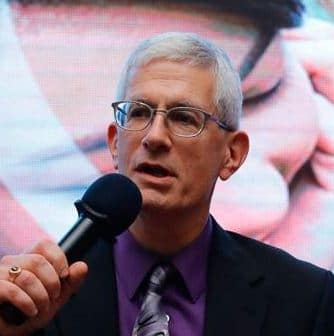 Andrew Bellavia is the Founder of AuraFuturity. He has experience in international sales, marketing, product management, and general management. Audio has been both of abiding interest and a market he served professionally in these roles. Andrew has been deeply embedded in the hearables space since the beginning and is recognized as a thought leader in the convergence of hearables and hearing health. He has been a strong advocate for hearing care innovation and accessibility, work made more personal when he faced his own hearing loss and sought treatment All these skills and experiences are brought to bear at AuraFuturity, providing go-to-market, branding, and content services to the dynamic and growing hearables and hearing health spaces.
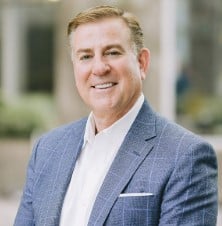 Richard S. Brown is the president and board chair of the Starkey Hearing Foundation, where he has spent over a decade leading global mission trips, fundraising efforts, and advocacy initiatives to expand access to hearing care. He is also Chairman and CEO of JNBA Financial Advisors, overseeing $1.5 billion in assets and leading the firm’s Family Office Services division. In addition to his work in finance and philanthropy, Richard serves on several nonprofit and advisory boards, including Essentia Health Foundation and the University of Minnesota Duluth. A former firefighter, he is also an advocate for firefighter health through his role on the MnFIRE Advisory Board.
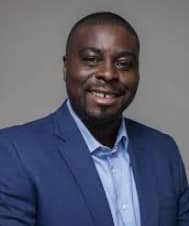 Alfred Mwamba, AuD, is the Executive Director of the Starkey Hearing Institute in Zambia and the country’s first audiologist. Since 2011, he has led efforts to expand hearing healthcare by training community-based providers through a sustainable care model. Under his leadership, the Institute has developed a network of professionals delivering services across rural and urban regions. Dr. Mwamba continues to play a key role in advancing access, education, and professional recognition for hearing care across Africa.