


This week, host Bob Traynor is joined by Sheena Burks, Chief Clinical Officer at WSA, and Dr. Eric Branda, Head of Audiology and Research, for an in-depth discussion on the unique hearing healthcare needs of U.S. veterans and how new technology is helping address one of audiology’s greatest challenges: understanding speech in noisy environments.
The conversation explores the realities facing VA audiologists, including high patient volumes, administrative demands, and the need to deliver efficient, high-quality care. They discuss Signia’s Integrated Experience (IX) platform, multi-beam directional processing, instant-fit hearing solutions, AI-enabled personalization, and how these innovations are designed to improve communication for veterans while streamlining clinical workflows.
They also examine the future of government hearing healthcare, the role of student education, and the importance of making advanced technology accessible across the VA and other federal healthcare systems.
Full Episode Transcript
Welcome to This Week in Hearing. Hi, I’m Bob Traynor, your host for this very special session relative to veterans’ hearing and hearing health care. Today, my guests are Sheena Birx, who’s the Chief Clinical Officer at WSA Audiology, and Dr. Eric Banda, Head of Audiology and Research at WS Audiology. Thanks so much for being with us today, guys. And today we’re going to have a very nice, robust discussion about the orientation of of clinics to veterans and their families, as well as the integration of a new orientation to products that hopefully will mitigate veterans’ hearing impairment. So, but first, before we get going, I know you guys have worked with me before, and anybody who follows my podcast will have an idea of who you guys are. But Sheena, would you give us just a brief orientation to how you got to be this chief clinical officer at WS Audiology? Sure. So, you know, I’ve been an audiologist for close to 30 years. The last 7, almost 7, have been here at this company and, you know, roles across sales, you know, marketing, training. As well as global, regional, and the US. Today, I’m responsible for our government services team, which is part of the clinical office. And for us, this was a super important initiative because it really was purpose-built. And what I mean by that is just with the intention of not only supporting the VA community, but also advancing the profession of audiology and doing that in a number of ways, you know, through research, which you’re going to hear about from Eric, our advocacy for the profession, and also just elevating the role of audiologists and being able to deliver exceptional care. Great. Eric? Yeah, so I’m— I’ve been with the company for going on 28 years and started out in audiology support. So answering a lot of phone calls, doing a lot of troubleshooting, working the training across the US and then training customers internationally as well. Product management for quite some time, worked on my AUD/NPhD while I was working and spent some time in our R&D department and now head of audiology and research. Wow. Well, you know, I know Sheena and I worked together a long, long, longer than we want to admit ago. But so, and Eric, we’ve known each other a little bit over I think at the bar, at the AAS, and a few other places. But I think that this is a real interesting discussion because VA and military hearing healthcare is huge. After doing some 3M cases and doing a number of forensic cases with military hearing loss and that kind of thing, It is a substantial situation where the clinicians have to balance high patient volume and try to produce more with less than we’ve really ever seen before because we now have another huge wave of veterans that are seeking services. And these veterans have maybe a little less stigma for amplification than we have seen in the past, but they still have huge, huge needs. Not only needs, but they’re rather demanding because they don’t just want that old government hearing aid. They want to have something that is going to be— that they’ll feel like they feel comfortable wearing. That they will be able to use. And probably most of all, you know, it’ll be beneficial. I think we’ve been trying to take care of the noise, background noise problem for all of my career, which is longer than I really want to say, but it’s probably 50 years plus. So now I guess what I would, what I would, what I would say here is that since we’ve had this problem for such a long time, How’s WS going to modify that program with this new focus on veterans’ hearing loss? Well, you know, I think the first part is just understanding more about the audiologists that are working with this population, right? Because if we really want to meet and/or exceed needs and expectations, we really have to understand what the problem is. And for us as a company, it became very clear that the demands that are placed on VA audiologists are extreme. You know, there was some research in the American Journal of Audiology back in 2021 and 2022 that looked at kind of just, well, what are the top stressors for audiologists in general? And it was administrative burden and time constraints. Well, let’s think about that for a moment. For those audiologists that are working in a VA clinic, we know that those pressures are compounded. You know, they have, federal compliance requirements that they have. You know, they’re working with patients that have complex needs that may have comorbidities associated with it. And then there’s a lot of documentation that they have to do on top of that. And so when you think about a VA audiologist versus audiologists that are working in other settings, it’s not just the pressure of producing, but it’s just the complex layering of a highly regulated system. And so It’s really for us recognizing that, hey, we, we need to figure out how we can better serve audiologists that we know are working in that type of environment so that they can focus on what they do best, and that’s delivering exceptional patient care. So that’s really the first step before we even get to what does the technology do. So now that we’ve had the first step where we’ve talked about the, the specific kind of a focus. Eric, can you give us an idea of what the Integrated Experience portfolio is going to offer the VA relative to what, what other kinds of focuses have used in background noise reduction and style and all these different things? So yeah, happy to talk on that because, you know, As I just said, I’ve been with the company for a long time and I’ve seen a lot of iterations of directional technology. And we know directional technology is the best way to address background noise. So I’ve seen us use 3 microphones on a hearing aid. I’ve seen us use our narrow directionality with better speech understanding in noise than normal hearing listeners. And one of the topics that is always difficult is the group conversation in noise when I have multiple talkers, because if I’ve got one-on-one, Yep. My narrow directionality is great because I can shut everything else down and focus on that person in front of me. If I add 2 more talkers into that situation, now I’ve got to, you know, basically turn to each one to focus on them. Or if I want to pick, try to pick them all up at once, I have to relax the directionality, go more omni and pick everything up, including that noise behind them. And it’s, you know, doesn’t necessarily help my speech understanding in noise. With the IX technology, we’re now looking at multiple beams facing forward. So I can use processing to shut down what’s in the back. Split processing reduces and addresses noise behind me, but then I look at the speech in front of me and my multiple talkers. I can put different beams on each of them and help shut down the noise that’s behind them and focus on them. I’m not going to miss the onset of speech when they talk because I’m going to have each of them getting the right amount of amplification and the right focus on them. And I can add this into our rigs, our BTEs, even some of our in-the-ear devices. So I can become very flexible on how to really help them understand in this difficult multi-talker situation. And this is kind of a novel approach in the industry. And now, So, so you’re using the— you— it— I guess what I’m trying to say is that it is a, a progression of the, of the two amplifier system that is used in the products to facilitate the, the noisy situation plus then the focusing situation on speech. Is it— do I have that correct? Yeah. So we’ve got split processing and then using our wireless between the devices, I can now use this. It’s— I’ve got all of this information because I’ve got each microphone picking up something different and then I can really analyze where everybody is, augment to it and adjust as things change. So it’s really, you know, it’s, I look, every technology builds on what was before it and we just continue to build on that and address situations that we hadn’t been able to before. And what’s really cool is the research supports it. If I look at just some, you know, Benchmark measurements on Keymar. I see over 3 dB advantage with multi-talker situation and noise over other technologies. If I put this in a controlled lab on hearing aid wearers, I can again see improvement over the other technologies with multi-talker. I can even do EEG measurements and I can see better phonemic discrimination, which then leads to less listening effort in these noisy situations. And then what I find really meaningful is we’ve tested this in real-world environments. So, we’ve looked at a food court in a mall, which is— we’ve all been there and that is not easy even with normal hearing. And, the wearers notice the difference. So, it’s not just that they feel they’re doing okay, but listening to other high-end technologies, they notice the difference of the multi-beam in a multi-talker situation. And, you know, that’s the kind of thing that if they weren’t noticing difference, that would bring them back into the clinic looking for more help. So we’re trying to focus on that in that real-world environment and keep them communicating with family and friends. Well, and also probably you could fine-tune it so they could hear two tables away what the conversation is. And see what’s going on there. So it sounds like it’s quite a sophisticated system. Now, is this only going to be offered in the RICS? Because, you know, RICS are real popular these days, much more popular than many of the other kinds of products that we do. So are you just going to put this in the RICS and maybe not necessarily have it available in some of the others for a period of time, or is it all kind of ready to roll right now? So what’s great is it is all ready to roll because we definitely have it in the RICs. And what I find meaningful is that, you know, RICs, RICs BTs are great, but sometimes it gets very crowded behind the ear. So then you look at something, you know, how do we go in the ear and keep that maybe easier, maybe address some dexterity issues. We’ve recently introduced some instant fit devices. So basically we’ve got the Active Pro looks, it looks like an earbud. It looks like a very trendy, you know, consumer listening device, but it is a prescriptive hearing aid and it has the same technology built into it. Or looking at an instant fit CIC, our Silk, which has been on the market commercially for years, but it’s only now just getting introduced in the VA. This is ready to wear, put a sleeve on that in there. And because of that wireless communication where with CICs we’ve always depended on the pinna for our directionality, I can use one mic here and one mic here and wirelessly combine that information to add some extra directionality in a CIC. And we even have a custom CIC that’s rechargeable. So we’re really looking at how can we put everything in there and still keep it discreet and relevant to their listening situations. And the instant fit doesn’t just become that government hearing aid that they just gave me. There’s a fine-tuning kind of a component And just as you would do in a custom fit, only with the— it fits instantly without a lot of hocus pocus that goes along with in-the-ear fittings. Exactly. Well, and I think that’s such a good point, right? Because when you look at the types of hearing aids that are fit in the VA, custom products are the second largest category. But we all know that they come with their own headaches, and that’s for any company and for any audiologist, right? There’s remakes, there’s buffing, you know, there’s just a lot of complexities, complexities that are involved. And so what Eric just described, you know, we know we’ve had the research done, we know what the fit level is for those different types of devices. And so you can just get rid of the headache of having to take impressions, waiting for the impressions to be scanned or, or sent in. You can literally fit the patient the same day if they were able to do that. Right. So I think we like to look at the devices like the ActivePro as something that’s really competing with a traditional, if you will, in-the-ear device, because from a hearing aid performance perspective, you’re getting everything that you would get if it were a RIC or a standard traditional device. But you’re getting the benefit of all the things that, that Eric just described, which is pretty cool, I think. Well, and also, if the fitting component is— it takes much less time and much less bother with follow-up visits and all those kinds of things. There’s more time available to interact with the patient and allow them to understand what’s happening at the same time the mitigation of their hearing impairment occurs. So time factors become a problem. We all know that, you know, in the Ear, Head and Neck Clinic, you know, it was common to do an hour and a half or so with a patient when you’re when you’re done, sometimes even more than that. But the idea is that the more time that we spend, you know, patients are used to getting 5 minutes with their physician. They wait 2 hours and then they go 5 minutes and the physician said, take this, this, this, and this, I’ll see you in a couple of weeks. And then of course he’s saying, you can wait another 2 hours to see me for another 5 minutes. Audiologists have the reputation of taking time, energy, and effort with their patients, and particularly at the VA, because we all know that, and the clinicians know much better than we do, that the individual has probably waited 3 months to get the appointment, and then another month or so to get the products and that appointment, and on and on and on. So So the more time we have with each and every patient makes the— makes fittings go so much better. And these issues have always been a concern. And one of the big ones has always been stigma. Well, if you have something that looks like rocket science in your ear, that’s kind of goes along with some— maybe some of the younger veterans. And many manufacturers are producing those kinds of products that are going on now. And so if I want to— if I’m a chief of audiology somewhere, do I just say, call up Sheena and say, hey, how do I get involved with this really cool stuff that I heard about on Bob Traynor’s thing at This Week in Hearing? So they just call up Sheena and say, hey, come on down. They can absolutely do that. And then happy to take those calls. I think what’s really great about our team is we have a dedicated government services team where we have reps that are out in the field. We have inside audiologists that are dedicated to, to the VA. And really for us, it’s just making sure that we understand what’s important to that particular clinic, because I was taught very early on, if you’ve been to one VA, you’ve been to one VA. And so this idea of trying to mass produce how we want to partner with VA clinics, that’s not our approach. Our approach is going into that specific clinic, understanding what their workflows are, and then how can we as a company set them up in the best way for success for the patients in front of them. And so we put a lot of pressure on ourselves in the fact of, yes, we want to make sure the devices are fitting right out of the box, that the first fit are hitting their real-ear target the way that they expect them to. We want to make sure that we have tools like our fitting app where the patient can self-serve if they want to when they’re out and about and they get into extremely difficult listening situations. And so we really think about it in a much more holistic way because at the end of the day, whether you’re a chief or an audiologist that is seeing patients at the end of the day, you know, day to day, if something goes wrong in that fitting, like we talked about a, a, custom product, if something goes wrong and that patient’s waited 3 months, maybe driven 100 miles, whatever the case may be, they don’t want to have to come back again because something went wrong. And we certainly don’t want to be the cause of that. And so we would— we work extremely hard to make sure that we’re being efficient and being productive and optimizing the time because we have respect for, for what they do. And we want the patient to have the very best experience as well. Now, we focused primarily on the VA. Do the same kinds of situations apply in Indian Health Service as they apply in the VA? Absolutely. I mean, obviously there are different ways that they order and there’s different, you know, processes, so to speak, but the products that are available are the same. The training that our team is able to offer, all of that, is the same as well. So absolutely. I think, Eric, you were gonna say one other thing there somewhere and I cut you off. So go ahead there, Dr. Benda. Let us know what’s going on here. Oh, no, I was building on just the idea of the Instant Fit ’cause if I look back and Instant Fit always had a, you know, probably not as quality of a connotation. Yeah. What I love is I think we’ve turned that around and now we’ve made it just a very smooth alternative because if I can get that fitting done right away, the sound quality is there, the comfort is there, and now the expediency of a quicker fit in the clinic, taking away some of the other challenges and still addressing, you know, the wearer’s needs without making any compromise. It’s addressed with that. So I’ve, I’ve loved the change in how we can perceive something that’s instant fit or ready-to-wear, because it’s not a compromise. Well, that’s always good to know because in my mind, the instant fit has always had that kind of a lesser capability to it than other products. You know, the other thing that was mentioned too is, you know, RICs are fabulous products and we’ve all seen the popularity of those instruments over the last number of years. But we still have the same problem there that we had with BTEs back in the old days. You know, the person may have glasses, then they may be on oxygen. They may have maybe some other kinds of things that are going on up around their ears and so on. And to have something that is possibly an instant fit, but even a more of a CIC orientation where you don’t have to have all that stuff back behind your ear, to go along with the oxygen and the glasses and all those things, that would be really beneficial. Well, I think the other part of that too is we work really hard at Signia to simplify that for the audiologist. So, you know, if they have a patient where, yes, they would normally reach for a RIC, but because of all the things that you just described, they need to go with something smaller, they don’t have to now think about, what does this company have that style that I need, or am I going to lose these features because I’m going to a smaller device? You know, do I have to learn different screens and the fitting flow to be able to fit that product? We are very intentional about how we design our fitting software. You know, Eric has talked about in the past where we get audiologists involved throughout the development process to make sure that we’re not in our ivory tower designing things without really hearing the voice of the customer. And I think you see that when it’s finally delivered to the patient and the audiologist, that yeah, they can move between styles or form factors but still have the confidence from a performance perspective, but also from an efficiency perspective, that they can get through that fitting relatively quickly. You know, one of the things that has always, I want to say, bothered me as a clinician is— you mentioned the ivory tower. You know, a lot of times these people running some of these manufacturers, they don’t have a clue what a hearing aid is. Well, yeah, they came from vision, but we all know what relevance that has to hearing, right? And so what is refreshing is someone that has been around audiology, that has huge amounts of clinical experience, kind of overseeing some of these programs. And when there’s a problem that comes up, I bet you’ve already seen it, Sheena, at one time or another. Well, you know, it’s a good point. I’ll have to be careful with my words, you know. Yeah, we’ll talk off camera. But I do think that is the benefit, right, of having the clinical office that Eric and I both work under, because it’s really about making sure that someone has a seat at the table when critical discussions are being had so that we’re not chasing problems. Don’t get me wrong, problems come up, but we’re really trying to be the advocate for the audiologist, the provider, as well as the patient, say, hey guys, I know we’re thinking about this, but these are some of the other considerations that need to go into that decision. And that may take us down a different path. And so that’s why I said we’re very intentional about the decisions that we make. And, you know, sometimes we’ll have customers or audiologists say, well, why don’t you have this? And why don’t you have this in the product? That was an intentional decision, not because we didn’t think we needed it, but we felt there was more value in doing other things for the hearing aid that’s going to deliver more benefit for the patient. Yeah. And the other part of it is, how many researchers do we have that used to be a customer service dude on the phone? You know, and you’re, as the customer service guy back in the old days there, Eric, you know, you listen to people talk about, wow, well, you know, I got this problem and that problem and this problem and that problem and gee whiz, and how come you can’t How do I fix that and all this stuff? And here you are now, Dr. Brenda, trying to fix those problems with the research and development programs that you’re, you’re doing. So with those kinds of experiential issues, I think it is really helpful for veterans, and they’re capitalizing on your experience that their clinical people can not only talk with their more seasoned veterans around the clinic, like the chief and others around there. But if the chief doesn’t know, then guess where they’re going? They’re going to call up Dr. Brenda and they’re going to call up Sheena to find out, okay, what are we going to do to fix this? And so, you know, what do you think about the future of working with military veterans and And how is that going to go in the future? Are we going to see more progress in the products? Are we going to see more products in the software and even in the fine-tuning of the VA and manufacturer interactions? Yeah, I mean, I think there’s a couple of things there. One, you know, we talked about just the workforce pressure. So I think VA clinics, just like all of us, are going to continue to be asked to do, do more with less. And so for us as a company, it’s really about how can we make them more productive, more efficient so they can better serve their patients, right? I think, you know, veteran expectations, just like any consumer, their expectations continue to rise as they see technology changing in other areas. And so for us, it’s like, how do we make sure we work really hard that what’s available on the commercial side becomes available in the VA. You know, Eric spoke to this earlier, that Silca has been around a long time. You know, we have 4 generations of it. We have refined that device from a comfort perspective, from a performance perspective. And so we’re excited that it’s in the VA now, but it would have been great to be in the VA several years ago. But so that’s an area where we feel like we want to be able to partner more closely with the VA as we think about technologies that we know or to deliver on the performance that they want. But for a lot of veterans where devices would’ve ended up in the drawer, they’re more inclined to wear them. You mentioned, you know, we’re seeing more and more veterans, younger ages, and we just need to be cognizant of, you know, what their needs are outside of just hearing better, but what’s going to make them want to actually wear and use the device on a, on a regular basis. Urich? Yeah, so I look also at what we’re doing, you know, just You know, making the software consistent and efficient so that it will always be easy for the audiologist to sit down and work with it. With the technology, how do we look at what are these difficult situations? I mean, I, you know, we talk about feedback now. 20 years ago, we’d talk about feedback as a major issue. Now, yeah, it’s not— it’s still there, but we’ve addressed some of the biggest pain points. I think we’re going to continue to address pain points. We do— we have in our app, we have an integration of AI in our app that is a user interface. So when the user’s in a real-world situation and they’re having a challenge, they can already use the app to help address that because they’re not gonna schedule that 3-month appointment to come in and then say that they were having trouble hearing a 67 dB sound in the background of 70 dB. They’re, they’re not gonna come in with that information. We can capture that information and let them address it. And then when they see the audiologist again, they can still do a follow-up and look at that. We haven’t taken the dr— audiologist outta the driver’s seat. We’ve just given everybody the tools to work with to improve that experience, and, and we’re gonna continue to build on that. That’s, that’s how I see a lot of the future of, you know, what we’re doing technologically to, to really address issues and make it more efficient for both parties. And it’s obvious in virtually all areas, AI is gonna be a huge a huge influence because in many ways AI can be very efficient, but in many ways it’s not so efficient, particularly when you’re dealing with human subjects and interacting with people all the time. One of the other things that I felt was very interesting about the WS approach to the VA was, Sheila, we talked about the idea that you’re not only— you want the chief to understand it, And you want the clinicians to really understand it and know how these applications are new and innovative and different than maybe what’s been around there in the past. But what I felt was interesting was the look at your interest in students, the student fellowship individuals that are there, because guess what? They’re going to be the VA audiologists of the future or out in the community with their own practice someplace along the line. Absolutely. You know, we were all students at one point and we know which companies treated us well and which ones maybe not so much. And so for us, it’s really important that we are creating educational materials and content that are relevant for the people in front of us. So You know, oftentimes our team are meeting with the audiologists that are already working in the clinics. We will work separately with the technicians because they’re dealing with different issues than what the audiologist would be working with. They’re usually on the follow-up that the patients are coming back with, or like the charger’s not charging, or how do I do this? Maybe they need more oral rehab or counseling type sessions. And then there’s the students where, you know, depending on their program, maybe they didn’t have exposure to us as a company. And so How do we sit down and take time with them to walk them through? Well, this is a First Fit. You know, if you’re doing tinnitus, you know, there’s a lot of functionality we have with our tinnitus features. Okay, well, let’s walk you through how you would use our tinnitus functionality with a patient. So for us, it really is understanding who’s in front of you and really tailoring what we’re offering to make sure that we’re meeting their needs. You know, the last thing we want are our reps going in and just doing a standard presentation or a standard training. That’s not what it’s about. It’s really giving information that’s relevant and informational that they can use and that they’ve asked for. And that’s really what we put our focus on. And presenting that in as more of a concise period of time as possible. Absolutely. You know, again, I just really want to have our viewers realize that this is some different kinds of things that are going into the VA and into Indian healthcare and also Department of War and some of the other areas of government responsibility. And it’s been my pleasure to have as guests today Sheena Burks, Chief Clinical Officer for WS Audiology, and Dr. Eric Branda, the Head of Audiology and Research at WS, and their orientation, giving us a real orientation to what’s going to happen with their introduction of the Signia integrated experience into the Veterans Administration the Department of War, the Indian Health Care Services, and other government agencies. And so I want to thank you very much for being with us today. And all of you out there, take a good look at what the— what our colleagues here are presenting. Not only do we have someone with decades of experience at the head level, but we also have another person who worked in customer service. And now finds himself as the head of audiology and research. And so with that, we’ll be done for the day.
Be sure to subscribe to the TWIH YouTube channel for the latest episodes each week, and follow This Week in Hearing on LinkedIn, Instagram and X.
Prefer to listen on the go? Tune into the TWIH Podcast on your favorite podcast streaming service, including Apple, Spotify, Google and more.
About the Panel
 Sheena Burks, AuD, MBA, is Chief Clinical Officer at WSA, where she leads clinical strategy and initiatives focused on maximizing outcomes for both hearing care professionals and patients. She previously served as Chief Marketing Officer for the WSA Americas region, overseeing marketing and brand strategy for Signia, Widex, Rexton, and HearUSA across the United States, Canada, and Latin America.
An audiologist by training, Dr. Burks has spent more than two decades in leadership roles across the hearing healthcare industry, bringing expertise in clinical care, healthcare delivery, and business strategy.
 Eric Branda, AuD, PhD, is Head of Audiology and Research for WSA in the United States. For nearly three decades, he has led audiological, technical, and research initiatives focused on advancing hearing technology and improving patient outcomes.
Dr. Branda specializes in evaluating new product innovations and collaborating with research partners to develop evidence-based hearing solutions for individuals with all types and degrees of hearing loss.
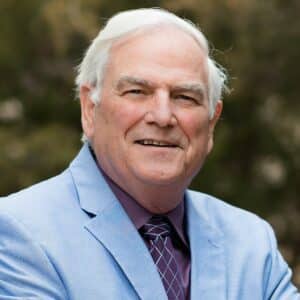 Robert M. Traynor, Ed.D., is a hearing industry consultant, trainer, professor, conference speaker, practice manager and author. He has decades of experience teaching courses and training clinicians within the field of audiology with specific emphasis in hearing and tinnitus rehabilitation. He serves as Adjunct Faculty in Audiology at the University of Florida, University of Northern Colorado, University of Colorado and The University of Arkansas for Medical Sciences.


