

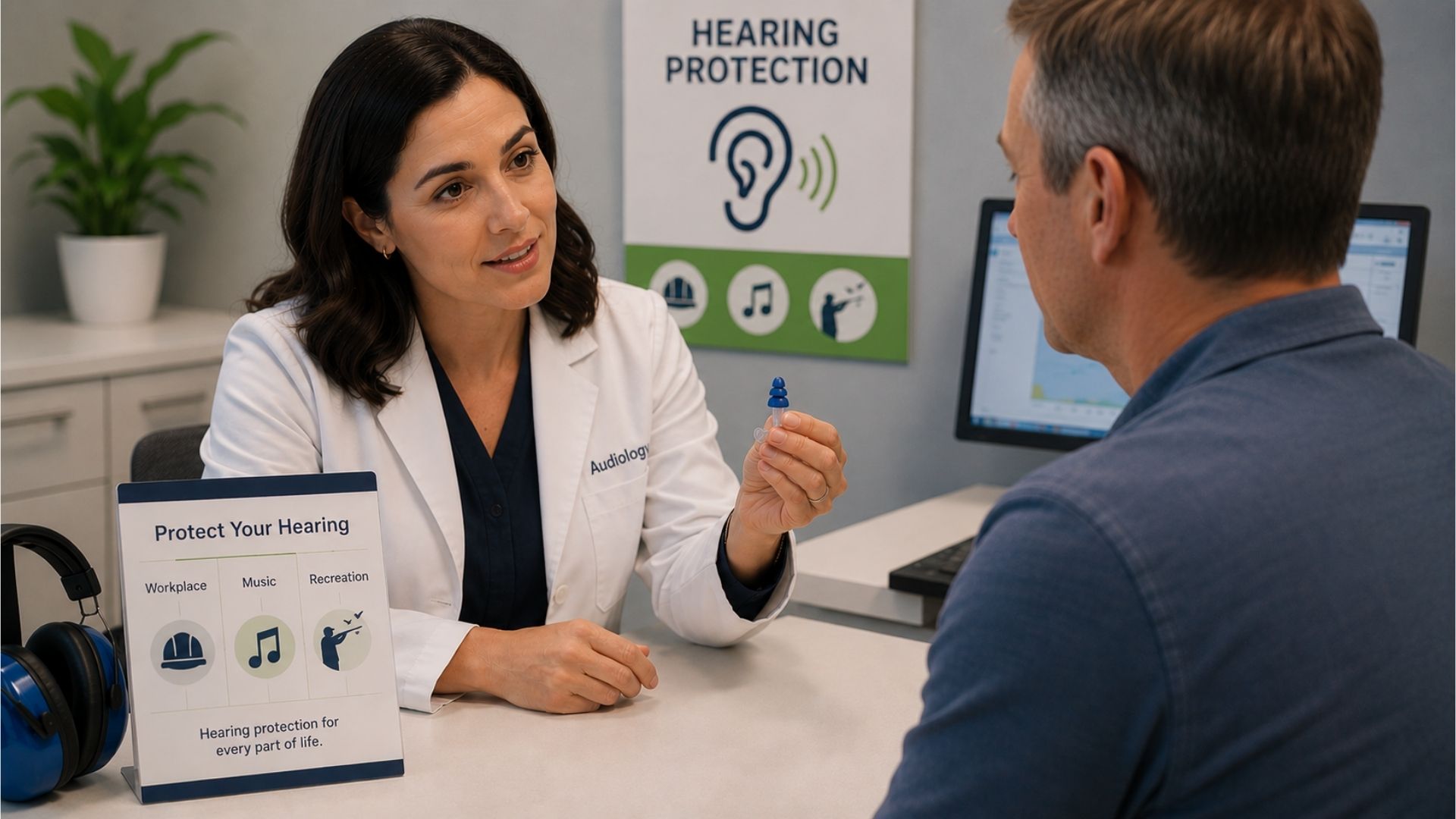
Occupational hearing conservation is often viewed as a compliance requirement—but it also represents a significant opportunity for audiologists and hearing care professionals to expand patient care, strengthen community outreach, and grow their practices.
In this episode, Brian Felsen, Chief Hearing Loss Preventionist at Your Ears Rock, discusses the growing impact of noise-induced hearing loss and tinnitus across workplaces, schools, entertainment venues, and recreational activities. He shares practical strategies for integrating hearing conservation into clinical practice while creating new opportunities to expand patient care and grow hearing healthcare businesses.
Topics discussed include:
- The growing prevalence of noise-induced hearing loss and tinnitus
- Why hearing conservation should be part of every patient interaction
- Business opportunities in occupational audiology and hearing protection
- Custom hearing protection and branded hearing conservation programs
- Community outreach strategies for audiologists and hearing instrument specialists
- Lunch-and-learn programs for local employers and organizations
- Educating patients about hearing protection beyond the workplace
- The importance of proper hearing protection selection and fit
- Innovative hearing conservation initiatives, including the “Quietest Vehicle on Earth”
Whether you work in private practice, occupational audiology, or hearing healthcare management, this discussion offers practical ideas for expanding services while helping patients protect the hearing they have for life.
- Learn more about Your Ears Rock here
Full Episode Transcript
Hello and welcome to another episode of This Week in Hearing, and I’m your host, Brian Taylor. And this week, our topic is hearing conversation, occupational audiology, and hearing protection services as business opportunities for hearing care professionals. And my guest is Brian Felsen, who’s the Chief Hearing Loss Preventionist at Your Ears Rock. Brian, welcome to This Week in Hearing. It’s great to have you here. I’m really thankful to be here. Thanks so much for lending me your ears today, Brian.
Yeah, for sure. I got a lot, a lot of questions I want to ask you, so I’m going to go ahead and dive right in. And my first question really is, how big of a problem is noise-induced hearing loss and tinnitus? It is a really serious problem, especially in an occupational settings. It’s known as the most common permanent and preventable occupational injury in the world. Also, for our veterans, it’s the most common and permanent and preventable war wound that they come home with. On a non-occupational side too, we’re seeing 1 in 5 kids by the age of 18 that are affected by some degree of noise-induced hearing loss and Unfortunately, that’s starting to grow younger and be more profound.
Yeah, it’s pretty incredible how many people out there these days. You would think there are less factory workers, but there are more people with noise-induced hearing loss, probably because of things like AirPods, right? It’s certainly a contributor to it. You know, not necessarily the AirPod itself, but the levels of noise that they’re capable of outputting and our misunderstanding of how loud a sound truly is, not subjectively, but from an intensity standpoint, and how long we should be listening depending on the levels that we’re being exposed to. But that’s certainly a top contributor that we’re seeing for noise-induced hearing loss inside and outside of factories.
Well, those are all topics we’ll cover today. I guess we should probably talk a little bit about your background, how you got into this business, a little bit about your company, Your Ears Rock. Tell us all about those things. So I grew up connected to music and entertainment, live sports, and was not very responsible or understanding with the noise and exposures to my own ears. And unfortunately was affected by that at a much younger age than I would have or should have had I known what I know today. And something that I’m commonly, you know, told by others is, “Where were you 15 or 20 years ago?” Inside also, when I went to high school, the high school I went to started offering sign language as a first-year offering for students. And I thought it was going to be really fun and maybe a little easier than some of the languages I had been taking. And it was really fun. It wasn’t necessarily easy, but it was really impactful on my life. And a number of years later, had the opportunity to join some people to give kids hearing aids that have never heard before. And that’s when I realized, you know, that the things I had done in my life growing up had kind of led to that moment and me realizing my, my purpose in business and have dedicated my life to hearing health ever since. Going on about 16 years. Ears now.
Yeah, so tell us about Your Ears Rock. It’s a really interesting and vivid name for a company. What do you do?
Yeah, well, our ears do truly rock when you get, you know, into the mechanics of how the ear functions. And we like to use music as a platform to educate, motivate, and train people to protect their ears because music is known as the most emotionally charged sound in the world and also something that can contribute to a lot of damage to our ears because we don’t think of it the way we do a piece of equipment or factory noise. And so we go into schools, businesses, organizations to provide education, motivation, training on the sense of hearing, make sure that people transform their relationship with sound and open up their ears to ways that they didn’t look at or think about it. You know, before we came in and make a serious topic more fun to learn about.
Got it. Where is your business located and how long has it been around?
Yeah, we’re based in Minnesota. We travel throughout the country. We’ve been in hearing conservation since 2010. Yours Rock! has been around since 2015. And through our education and training as well, We’ve opened up a lot of ears and motivated a lot of people to want to protect their ears, not just learn about doing it. And we kind of recognized a market that wasn’t really there in the hearing protection space by making it more personalized and cool and fun to wear. So we, you know, collaborated with some manufacturers in the industry and have some processes where we customize hearing protection with brands and logos and sports teams. Teams and make it more accessible to people, you know, at the points of needing the product, as well as having people wanting to wear the product. Take us through a typical week in your business. What are some of the things that you would do in a typical week? So we’re out in the community a lot. We go in starting in, you know, elementary schools up to businesses. And organizations and a lot of different groups in between to go and do our training. We do hands-on trainings. We do unique visuals and sound simulations to really make people understand the precious sense that our ears are. We are in different cities or states throughout, you know, every week. We travel a lot. We do a lot of virtual conversations like we are now in the post-COVID era, but we always like to be in front of people’s ears as much as possible, especially for the hands-on demonstrations that we like to give, making sure people know how to properly wear hearing protection, not just want to wear it, but wear it correctly. We go across a large landscape of industry from oil and gas to manufacturing, to law enforcement and first responders, entertainment and music. So no two days are really the same from our audiences and the people that we’re speaking to. But we’re making as much noise as we can about hearing health and not only the importance of protecting and preserving our ears, but I’m equally passionate about making sure that people treat their hearing loss when and if they know they have it or it becomes identified because I do work in a lot of audiences where people know they have it, whether it’s occupationally exposed or from recreation or a combination of the two. But because they don’t appreciate their hearing health, you know, the way that they could or should, they kind of prolong or put it off. And so, you know, we like to also encourage and make sure that people are treating their hearing loss as well as protecting and preserving it.
Got it. I know that you serve as an important resource for a lot of individuals who are in clinical practice. Mm-hmm. So I thought maybe we could start this part of the conversation by talking about how do you see hearing protection services fitting into a clinical practice as a business opportunity?
Well, we really hope and want to see it become a cornerstone of really every interaction that a clinic has with their patients because No matter where their hearing health is in their journey, they need to always be protecting and preserving their ears. A lot of people have a mindset of, “Oh, I’ve already done the damage. My ears are already ringing.” And so they don’t have any real motivation to protect and preserve the hearing that they still have and not let the ringing get worse, which can, for a lot of people, be more distressing, you know, than the hearing loss itself. So we want to see the clinics, whether it’s like going to the dentist where they hand you toothpaste and floss and a toothbrush and just kind of encourage healthy, you know, lifestyles in between each visit. But we’d like to see it elevate above that and really be a turnkey solution without adding a lot of work because we know that time is limited and, you know, the patients need as much support as they can with the technologies that they’re being fitted for. But understanding what your patient does between each visit, the kind of lifestyles that they lead, can help you identify the types of products that they could and should be wearing. And you can be, you know, someone that they look to for the guidance in that selection of the product, rather than going on the internet and just getting a pair of hearing protection that might not fit them right. They might not be trained into wearing, might not be the right product for the activities that they’re, you know, participating in. And so we’ve created some really great materials that make it easy to identify that with your patients and then help with the, you know, selection process based on, you know, information that’s gathered through a basic intake form and some other related, you know, materials related to hearing health.
Yeah, I know one of the really cool things that you showed me a couple weeks ago when I saw you was the hearing protection that comes in a little canister on a keychain branded to your practice. Tell us a little bit about that. That’s one of my favorite items because people always tell me they didn’t know they were going to need earplugs or went somewhere and forgot them. And it’s a really cool laser engraved keychain that can fit a bunch of different styles of earplugs in it. You put it on your house keys or car keys as long as you don’t have a Tesla. on you, always have it with you. And I say that ’cause of Tesla, ’cause they don’t have car keys. It’s a little credit card for anyone that has ’em. I don’t, but know people that do and they’ve brought that up to me. But put on your backpack, your house keys, your car keys, your hunting bag, you know, you’ll always have at least one pair of hearing protection on you. And I can’t tell you how many people have come back to me telling me how that item has saved their ears from something they went to, not realizing they were going to need the hearing protection. Thought they forgot it, went to their keys, and had what they needed. So it’s, yeah, really useful and kind of a, you know, promotional product, if you will, with a real purpose. It’s the dental floss of the hearing care industry. That’s how I look at it.
Absolutely. Very much so. And, you know, the dentist doesn’t give you Sour Patch Kids to come back with cavities. You know, they encourage you to have a, you know, healthy lifestyle in between each visit. And we want to see something similar. And I know a lot of practices already are doing great things, but I also work with a lot of audiologists that have said that they should be doing more and haven’t been. I work with a lot of people that have hearing aids that tell me, oh, I love them when I go trap shooting because I can talk to my friends. And, you know, that’s great for when you’re talking, but You know, in a trap shooting situation, you wouldn’t want to be wearing hearing aids without proper hearing protection. You know, so certainly some information that, that could be shared very easily between the practice and the patient and can make a really big difference between, you know, having healthy hearing and further damage between visits.
You also mentioned an intake form.
Yeah, yeah. So we’ve created a really unique piece of paper that, you know, we send out digitally for anybody that wants to use it. They can print it or we can, you know, send them reams of them. It’s got a questionnaire form for the patient as well as most people, if they’re going to concerts, sporting events, maybe hunting or target shooting, some of the activities and questions that are listed would be doing that with a family member, a friend, a loved one. So the questionnaire asks not only for their own exposure, but somebody that they, you know, care about or are connected to, identify those activities based on the information that’s gathered on that intake form. We now can identify those exposures, potential risks that a patient would have in between each visit. And now we can reference a comp chart to say, based on what you do and the lifestyle you lead, these are the type or types of hearing protection that we would encourage you to wear while you’re participating so that you don’t further damage your hearing, so that you protect the investment that you’ve made in your hearing aids. And that— so you also don’t— if you don’t have the ringing in your ears, don’t want it. If you do have it, you certainly don’t want it to get worse.
Where can people find a copy of that form? Do you have it on a website somewhere? They can go onto our website at yourearsrock.com or certainly reach out to, you know, myself or our team and we can get an email out to them right away with it. We’ll put that on the bottom of the screen too. So, let’s talk a little bit. We talked about the non-custom hearing protection that comes in the little canister. What about— what’s your— tell us more about customization of devices. How— what’s your take on that? Do clinicians have an opportunity to do some customization around the style or the amount of attenuation?
Yeah, so the customization that we do is most specifically to branding and putting, you know, company logo. So if a clinic wanted to put their name or information on products that they sell at their clinic, that they give away at their clinic, that they would use in a community engagement initiative, state fair, health fair, any type of, you know, community engagement initiatives that they might have throughout the year. We put logos on the packaging, on the earplugs, on the earmuffs, can make them all different colors, patterns, you know, styles and designs. We have a wide variety of types of earplugs, so the attenuation ratings, you know, can certainly vary from your lower-end attenuating high-fidelities to, you know, high attenuating foam or tri-flange style of earplug. The custom molding, you know, is something that we do impressions, but then would, you know, work with a manufacturing partner to develop the final product for. But if you want your name, event, logo, you know, team, something like that on products to make hearing protection more fun and people want to wear it more, you know, we certainly have some really cool products and resources that are all produced out of our facility in Minnesota and, you know, have no minimums and really fast turnaround times.
Yeah, I mean, to me it seemed like an essential part of an offer in a private practice would have It really makes a big difference.
Yeah, no, yeah, it’s like, it’s sort of the whole idea of comprehensive care from the beginning of the journey to the end. You know, you want— this is sort of the beginning where preventive, servative services. Correct.
I guess another question I have is beyond hearing protection devices, when it comes to industrial or occupational audiology, what other services could a private practice get involved in?
Well, one that I would really encourage every clinic to do, reach out to your local manufacturing facilities, any occupational, you know, industry that’s exposing their employees to noise, a school district, your law enforcement and first responders, your municipal public works and other entities to go out and offer doing lunch and learns or toolbox and just go out and educate, motivate, and train people about their hearing health. You know, not talking about the treatment side, that’s certainly part of the conversation about the importance and the reasons why and the developments in technology. But what we want to get you out to do is to make the communities know that you’re there as the expert in all things hearing health and bring in new ears to your clinic by By opening them up through education and motivation and wanting to protect, preserve, and treat the loss that might be there, that’s the first thing. And something that by picking up the phone or sending out some emails, you know, most of those entities are very receptive of, especially from a subject matter expert like an audiologist or hearing instrument specialist, you know, in those areas. And I’m guessing you’ve developed some of those materials that you would be able to share.
Yeah, yep. There’s lots of great materials, you know, virtual presentations, in-person presentations, hands-on demonstrations, sound simulations, unique visuals, you know, really making it turnkey and simple for people to be able to go out and confidently present and utilize that as a platform to market your services as a place to treat hearing loss. And even if people don’t have the hearing loss, you can, you know, offer the service of custom molded hearing protection. And then you’re kind of planting the seed for a long-term client. Also for word of mouth, you know, referrals by having somebody say, oh, we had a great audiologist or hearing instrument specialist come out and speak to us on hearing health. It helped me, and I think you should do it. You know, there’s a lot of great things that can come out from just putting your ears out there a little bit in the community. Certainly, there’s other, you know, kind of more traditional marketing methods that, you know, I’m not saying don’t do, but the best thing that I believe you can do to, you know, grow your business and bring new ears in the door is to get out and make sure people are truly appreciating their hearing health. You know, in occupational settings, A lot of companies will mandate hearing protection be worn, have some, you know, annual audiograms, but the people aren’t being necessarily trained on proper use and selection of product. And they’re also not necessarily getting the information after the test to make them own that audiogram so that when they see that, oh, I’ve got good hearing, that they want to protect and preserve that from getting worse from anything other than age, because that’s an honor and an epistode on everyone. And noise, you know, is the second most common cause of hearing loss and is almost always preventable. You know, that’s something that’s, I believe, really important and oftentimes missing. And so we want to make sure people don’t just get those little parts of compliance, but take that information and and training with them so that it actually makes a difference, not just checks a box off that they got it done.
One thing I always try to tell people to remember when they do their annual audiograms is remember their pure tone averages, their PTAs, so that when they’re talking to somebody in a hearing space, they could reference that number. And then you’re kind of in a little bit of an understanding of where that person’s hearing health is at. Not subjectively, oh, my hearing’s good, my hearing’s bad, but quantified with that data that’s been collected. You know, so that’s something that I think is, you know, really missing, you know, from some of those services that are currently being offered to companies.
Yeah, that’s really good advice. You mentioned, Brian, early on that you do a fair number of educational seminars. Can you tell us a little bit more about the topic, the topics that you cover, and who your audience typically is?
Yeah, so the audience is a pretty diverse landscape of ears. You know, we like to talk to kids as soon as they’re able to really retain the information and implement safe hearing habits for them as young as possible because they had, you know, Noise doesn’t care how old we are, just what we expose our ears to. And like we talked about earlier, unfortunately, hearing loss is growing younger. And then from utilities to oil and gas, manufacturing, first responders, music and entertainment, you know, a very wide diverse group of people that are exposed to noise. They say 50 million Americans, you know, have tinnitus or tinnitus, the ringing or buzzing sensation in our ear. And 22 million people are exposed to noise on a daily basis at work. So these numbers are big and significant. And so we want to make sure that they’re getting not just product thrown at them, testing, you know, mandated on them, but that they want to wear that product, that they’re confident in selecting and wearing it correctly, and that they again own that audiogram information so that when it comes back good, they protect and preserve it from getting worse. And if it doesn’t come back so good, they protect and preserve it from getting worse and hopefully act on treatment that may or may not be needed depending on the level of damage that’s there. But that’s something that I think is really important. And then we do that by making people think about actually what is sound, how loud How many decibels? What is a decibel? You know, most people think of sound subjectively. One person might not think a sound is loud. Another person might think it is really loud. We want people to understand the intensity levels of decibels. We go over all the OSHA regulations when and if that’s applicable for people so that they know their rights, the employer’s responsibilities. And make sure that people are staying as compliant as possible. But we also want people to take that off the clock because we’re all humans too, and we expose ourselves to noise non-occupationally that can, you know, do equal or more damage because we don’t always think of it, you know, as the same annoying or hazardous type of sound. It’s maybe a concert that we enjoy, a racetrack that we want to hear roaring. And, you know, without having that motivation and training at work, we don’t always take that practice off the clock. So we make sure people think about their hearing all the time, not just that 8-hour time-weighted average of when they’re clocked in and clocked out, but on a 24-hour time-weighted average because we’re all humans. So there’s great materials, great visuals. You know, it’s an injury that doesn’t bleed or bruise. So we typically don’t know what we’re actually doing. And unfortunately, a lot of companies don’t think of it as a catastrophic injury, you know, and it certainly isn’t a life or limb injury. However, when you talk about your people going home the same way they come to work every day, you do have to think about ears. And if you’ve got a workforce with significant hearing loss, that can lead to catastrophic injury because somebody doesn’t hear a safety signal, they miscommunicate, you know, they don’t realize how far away something is from them. And so hearing health is critical. And certainly there’s productivity and other, you know, variables that the companies want to, you know, maximize from their people. But, you know, safety and hearing are very connected.
All good information for anybody out there that’s in practice.
One thing, Brian, I wanted to— that really kind of piqued my curiosity when we met a few weeks ago in person is you talked about something called the quietest vehicle on Earth. So I think this is really a clever idea. So tell us more about the quietest vehicle on Earth. You know, what’s the significance of it? Yeah. So The significance of the quietest vehicle on Earth is to give people the experience of silence. The sound of silence is not something we oftentimes get to hear. And for some people, it can be quite overwhelming and uncomfortable. But for others, it can be very comforting. It can really improve your productivity, concentration, prose recall. And in Minnesota, we have the Guinness Book of World Records quietest room on Earth. Which is an amazing experience. And it’s recently become an experience open to the public. So certainly people in the area, we, you know, would encourage to go and check it out and hear it for themselves. However, it’s not an experience that everybody gets to see or hear. And so we want to bring it to more ears throughout the country and have created it in a mobile experience so that it can go to events, concerts, conferences, associations, school districts, state fairs, you name it. And people can go into a mobile anechoic chamber, experience the sound of silence, learn all about their hearing health, and transform their relationships with sound for life. And so it’s a really ear-opening activation that we’re excited about and have some great partners around. And, and yeah, I would love to you know, have it at an event or place near you. And it can also be used by clinics too to, you know, create a community event and bring people in, you know, and create something really fun and drive new traffic to their businesses.
Yeah, we’ll put some details on how to learn more about that in the notes of this. Yeah. And kind of to the opposite of our quietest vehicle, we also have the loudest drive competition, which isn’t related to a vehicle, but to golf, where we measure the sound level of the clubface hitting the golf ball using high-end sound level meters and use that as a platform to educate people about sounds they might not think of as being loud, but could be potentially hazardous and encourage them to protect, preserve, and treat their ears going forward in any and every way they can. It’s good that you wove golf into the conversation. Yeah. Yep. I had to. Before I got into hearing, golf was what I believed my professional career was going to, you know, be behind. And now with hearing, I still have found a way to get myself on the golf course every once in a while. That’s awesome. You mentioned that Minnesota has the record for the quietest room on earth. I think that the Metrodome at one time was the loudest. Stadium.
Yeah, yep, for sure we did. We have since lost that. The, the Seattle Seahawks had it for a little while, and now the owner of the loudest stadium is the Kansas City Chiefs at Arrowhead. It really— when they measured it, it was 142 decibels, which is, you know, the equivalent of a jet engine at takeoff. So it was really rocking. The design of those stadiums, I guess, has a lot to do with it. If you’ve been to either one of them, you know that there are some similarities in the way they’re constructed. Correct. That must have something to do with it. Anyway, I don’t want to keep you too much longer. I guess my last— No, I could talk your ears off all day.
Well, I just wanted to kind of wrap things up. And if you had any final thoughts, any words of advice that you might have for audiologists or hearing instrument specialists who are managing a department or run their own business, how can they weave your services into what they offer their community?
Well, we certainly understand that everybody has a lot on their plate. They’ve got a lot of clients, they’re busy, and time, you know, is certainly always limited. And so what we are doing, we don’t want it to be looked at as more work or not having the time. This is something that is necessary and needed within the industry. It’s a value add for the patient, and it’s a, you know, potential new incremental sale for your business as well. We’ve made it very turnkey, and, you know, whether you’re using materials that we have or doing certain things on your own, we just want hearing conservation to be a cornerstone of every interaction with your patients so that they leave not only with their hearing loss treated, but with the information, knowledge, and ability to protect and preserve their hearing in between each visit and, you know, for their entire life. And for them to be role models for family and loved ones to protect, preserve, and treat their ears into the future as well.
Well, my guest today has been Brian Felsen, who is the chief hearing loss preventionist at Your Ears Rock!, which is a company based in the Twin Cities, Minnesota, Minneapolis, Plymouth, right, Brian? Correct. Yep. Just outside Minneapolis. And how can people get in touch with you?
Yeah, you can go to our website, yourearsrock.com. You can email at [email protected]. You can always reach out to our office at 612-900-2100 as well. And yeah, we look forward to talking your ears off and finding ways to make as much noise for hearing conservation as possible.
Thanks again for taking the time to be with us. We really appreciate it. Thank you so much, Brian. Thank you, everybody. Yeah.
Be sure to subscribe to the TWIH YouTube channel for the latest episodes each week, and follow This Week in Hearing on LinkedIn, Instagram and X.
Prefer to listen on the go? Tune into the TWIH Podcast on your favorite podcast streaming service, including Apple, Spotify, Google and more.
About the Panel
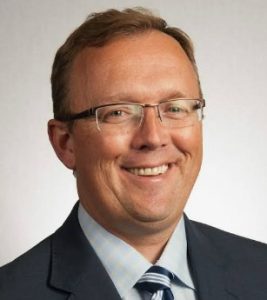 Brian Taylor, AuD, is Vice President of Clinical Research & Professional Relations at Neurotone AI and a recognized thought leader with more than 35 years of experience in audiology and hearing healthcare. In addition to his leadership role, he serves as editor of Audiology Practices, is an adjunct instructor at the University of Wisconsin, and contributes regularly to HHTM, where he shares insights on amplification, clinical best practices, and practice management.
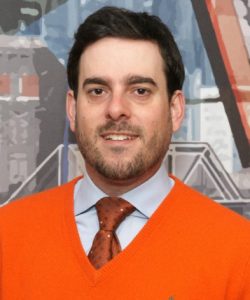 Brian Felsen is Chief Hearing Loss Preventionist at Your Ears Rock and a Certified Occupational Hearing Conservationist (COHC). He works with employers, schools, healthcare organizations, and community groups across North America to educate, motivate, and train people in hearing conservation, OSHA hearing conservation compliance, and the prevention of noise-induced hearing loss and tinnitus.