

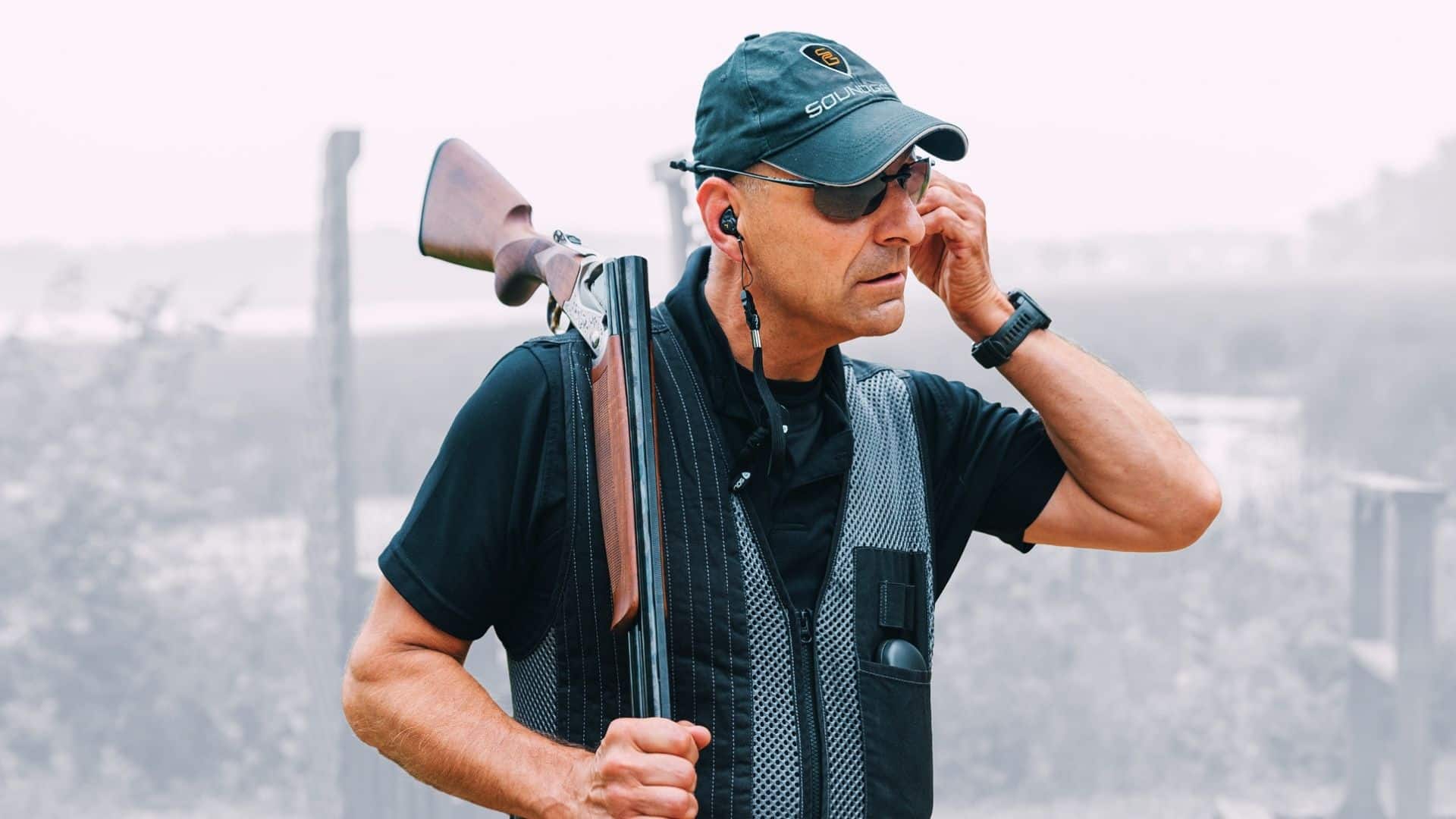
What does it take to damage your hearing? The truth is that it can happen quicker than you think. A single gunshot. An afternoon using power tools. A night out at a concert. Many of the activities we love pose a risk for harmful noise exposure. While these sounds may seem temporary, repeated exposure can have lasting effects on your hearing.
That’s why protecting your hearing today is one of the smartest investments you can make for tomorrow. The good news? Noise-induced hearing loss is largely preventable and SoundGear has the solution.

Hearing Loss Happens More Easily Than You Think
Every day, your ears are exposed to sounds of varying intensity. While normal conversation is generally safe, louder environments can pose a risk when exposure is frequent or prolonged.
Common sources of potentially damaging noise include:
- Firearms and shooting sports
- Power tools and lawn equipment
- Manufacturing and industrial workplaces
- Motorsports and racing events
- Concerts and sporting events
- Agricultural equipment
- Hunting activities
Many people assume hearing loss only affects older adults, but noise-induced hearing loss can impact individuals at any age.
The Warning Signs Are Often Missed
Because hearing loss often develops gradually, the early warning signs can be easy to overlook. You may find yourself asking others to repeat themselves more frequently, struggling to understand conversations in noisy environments, or turning up the volume on your television, phone, or other devices.
Some individuals also experience ringing, buzzing, or humming in their ears, known as tinnitus, or feel fatigued after conversations (due to the extra effort required to listen and process speech). While these symptoms may seem minor at first, they can be indicators that hearing damage has already begun.
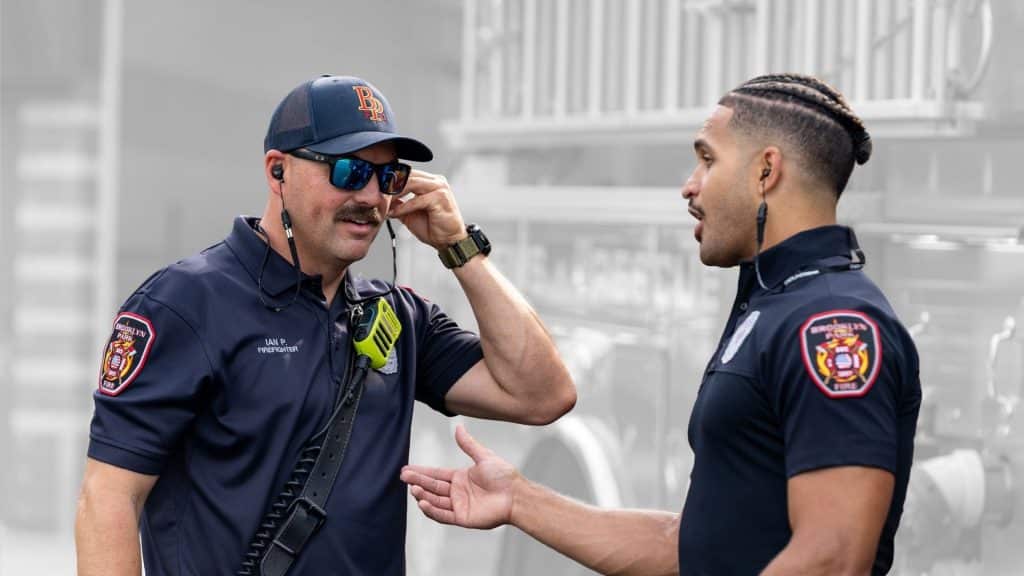
Protection Shouldn’t Mean Disconnection
Traditional foam earplugs can be effective at reducing noise, but they often block everything—including the sounds you need to hear.
For hunters, shooters, law enforcement professionals, and outdoor enthusiasts, maintaining situational awareness is critical. Being able to hear conversation, environmental sounds, and important cues can make all the difference. That’s where electronic hearing protection offers a significant advantage.
How Electronic Hearing Protection Works
Unlike passive hearing protection, like foam earplugs, that simply blocks sound, electronic hearing protection uses advanced technology to help users stay connected to their surroundings.
These devices can:
- Amplify softer environmental sounds and speech
- Suppress harmful impulse noises, such as gunshots
- Improve awareness in changing environments
- Provide hearing protection without isolating the wearer
The result is a more natural listening experience while still helping protect hearing from damaging noise levels.

Protect Your Hearing Today
Once hearing loss occurs, it can affect communication, confidence, and overall quality of life. Taking proactive steps today can help preserve your hearing for years to come. Whether you’re at the range, in the field, at a concert, or on the job, choosing the right hearing protection is an investment in your long-term health.
At SoundGear, we believe hearing protection shouldn’t force you to choose between safety and awareness. Advanced solutions like Phantom and Shield are designed to help you stay protected while remaining engaged with the world around you.
About the Author
Kristy Lowery, PhD, CCC-A, FAAA, serves as Director of Patient Care Services for the Starkey Retail Network, where she oversees TeleHear, insurance, and third-party programs. With a focus on clinical excellence and scalable care delivery, she works to align patient experience with operational performance across a large national network. Dr. Lowery is a strong advocate for patient-centered hearing healthcare and is particularly focused on expanding access and improving outcomes through innovative models such as teleaudiology.
Dr. Lowery earned her undergraduate degree from Millsaps College in Jackson, Mississippi, and holds both a Master’s degree in Audiology and a PhD in Speech and Hearing Science from the University of Tennessee, Knoxville. She holds an active audiology license in every state.