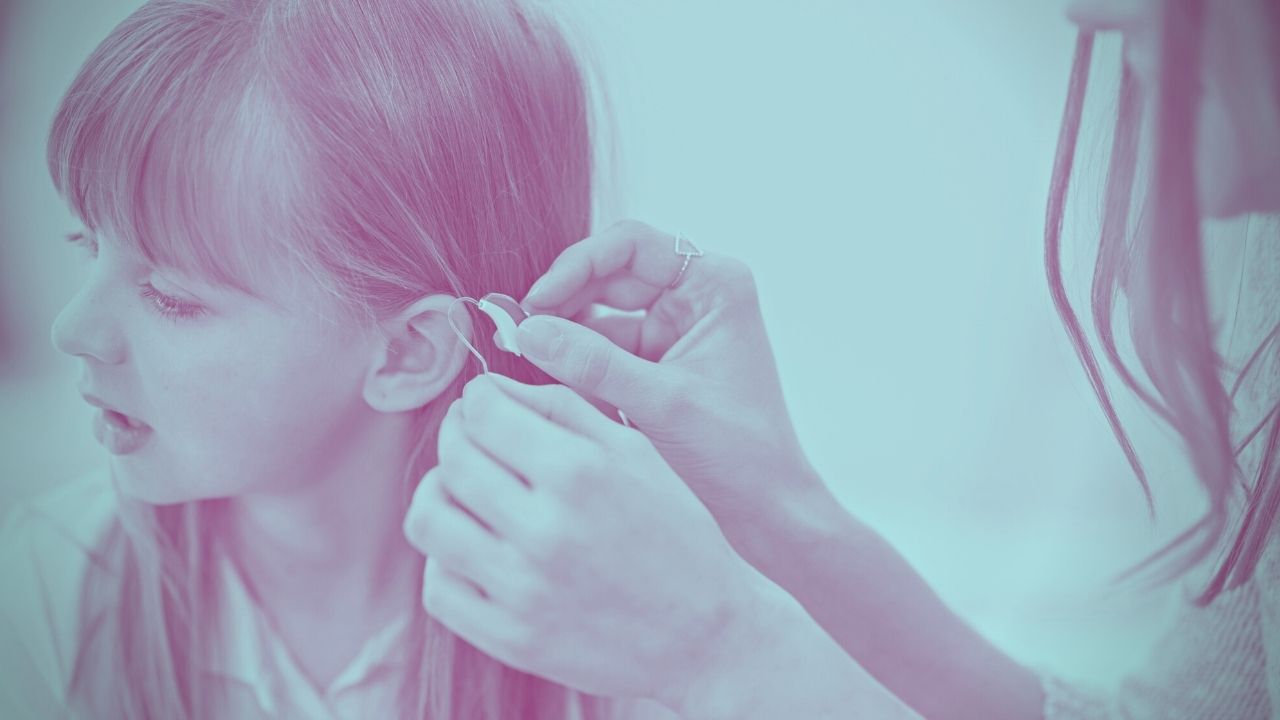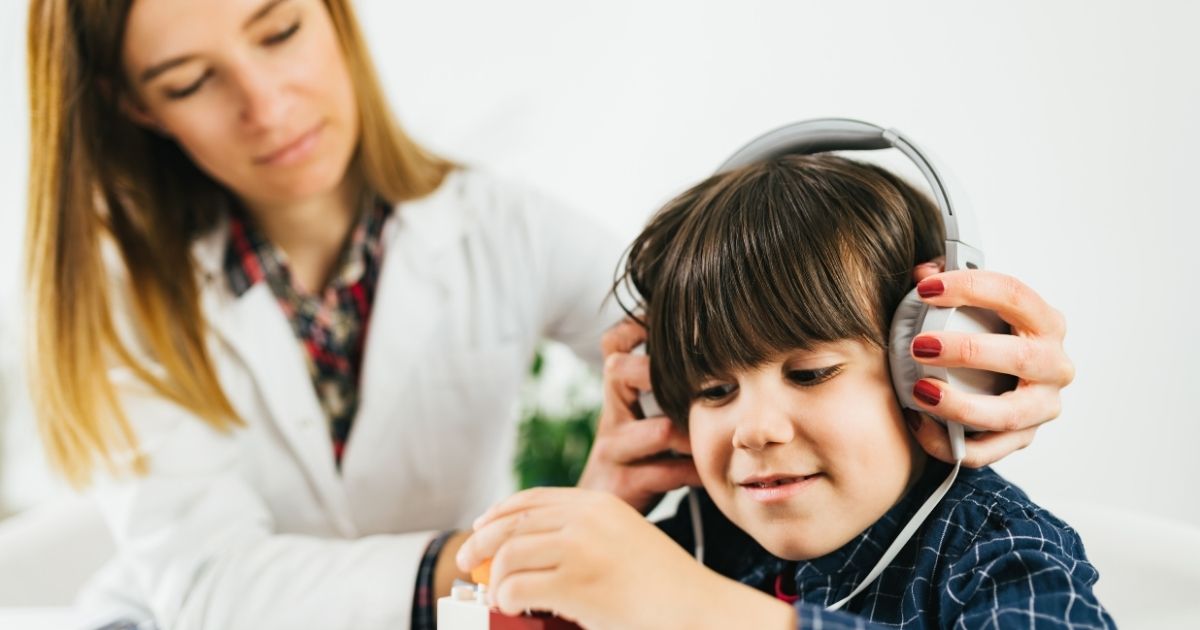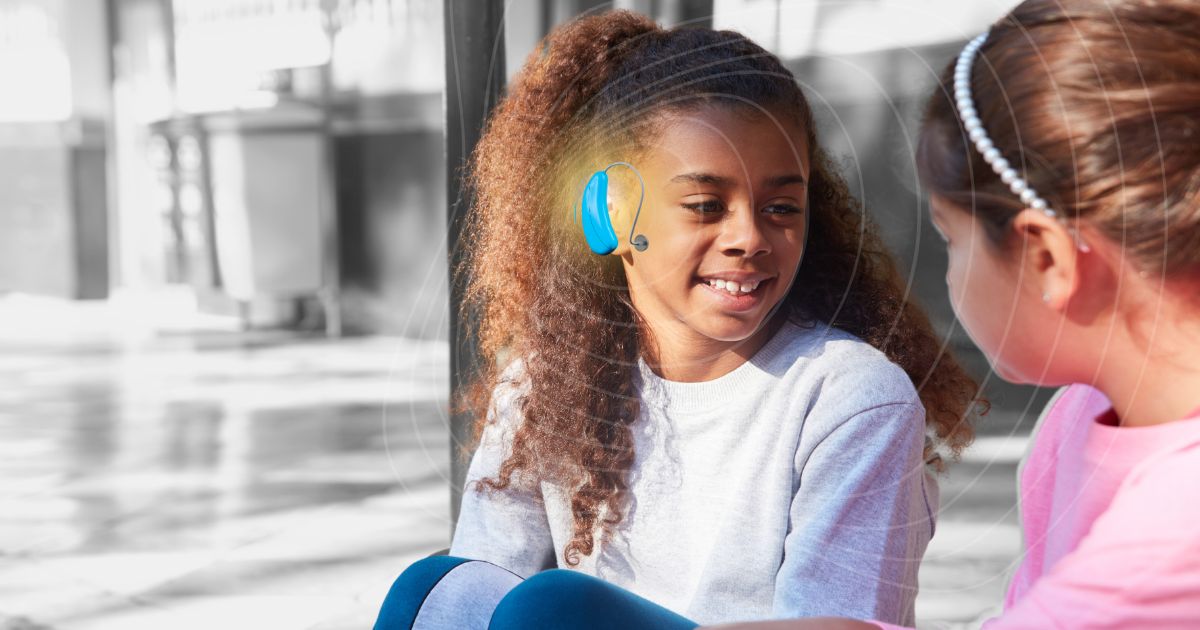


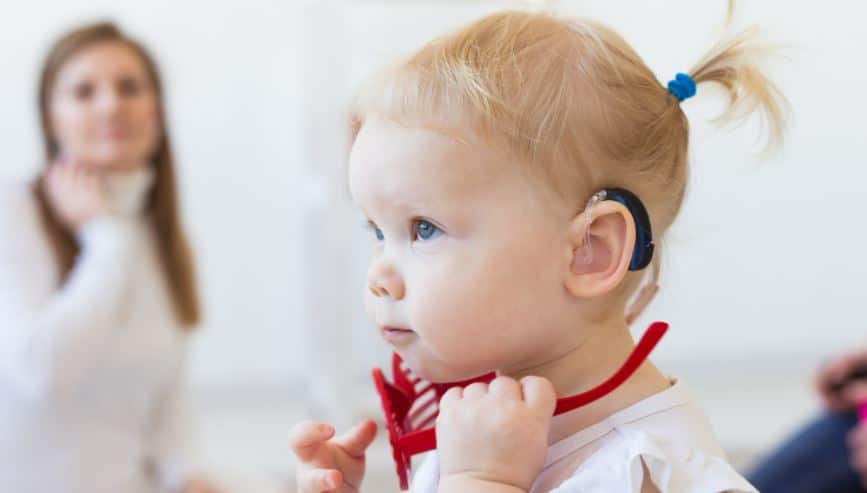
It is not enough to have hearing aids on. It is also essential that we know that they are working appropriately. Checking hearing aids is a two-part process. First, the hearing aids need to be checked by the audiologist to be sure all is okay. That means that the hearing aids need to be providing enough gain throughout the frequency range so the child hears normal and soft conversation in quiet and when there is competing noise.


What does a good aided audiogram look like?

A good aided audiogram means that the child is hearing at 20-25 dB at ALL frequencies – high as well as low. And good aided thresholds are needed in both ears. Two ears are critical for knowing where sound is coming from and for listening in noise.


What has to happen at home?

Once you know the hearing aids are working, the work is not done. Technology is technology – it breaks, just like all other small appliances etc. And these get batted around a lot more than your Phone or iPod. Here are some steps that might help:


Start by listening to the hearing aids – one at a time.

Every parent should have a listening tube. Attach one end to the earmold and the other to your ear and just listen. Repeat the Ling sounds (ah, ee, oo, sh, sss, mmm) and see what they sound like. Then repeat some sentences. In the beginning, you will have no idea what you are listening for, but as you become familiar with the sound of the hearing aid you will recognize if something is not working well.


What to expect for an infant?

Put the hearing aid on the baby and repeat the Ling sounds pausing between each sound. Look to see how baby responds. Is she alerting, quieting, do you see a change in breathing? Check each hearing aid separately.


What about toddlers?

Once kids get a little bigger, in addition to looking for responses, expect that the child will start to respond. You should expect him to try and imitate you when you make the Ling sounds. Say one and wait expectantly. In the beginning his imitation will not be great, but he will be getting the idea that you expect him to use his voice and communicate. As he learns to listen, he should begin to accurately repeat the sounds. Be sure to say them in different orders so he cannot guess what you are going to say. Again, check each hearing aid separately. Once he starts repeating you should also check at a distance. Children need to hear close by, but they also need to hear at a distance, so check listening at about 10 feel.


As kids get older

Be sure and add more complicated listening activities. Start with some simple sentences or questions to check listening. “What color are my shoes?,” “What did Daddy eat for breakfast?”  Check each ear separately, close and at a distance.


What do you do with the information learned from checking.

Hopefully the child will correctly identify all the Ling sounds at close distance (3 feet) and at far (10 feet) in each ear. But what happens if she does not? If a child hears some sounds but consistently misses others, that is important information. If a child hears at a close distance but not at far, that is important information. This is information that the audiologist can use to correct the hearing aid settings to improve performance. So keep careful notes of performance over time and share the information with all the professionals working with the child. And audiologists, pay attention and use the information to change technology settings and improve performance.

We know, for sure, that kids need to hear all day long in order to learn language, and to be ready to read. Typical hearing kids hear 24 hours a day. Children with hearing loss hear only when they have their technology on.


Here is what else we know:

  • Typical children hear 46 million words by age 4 years
  • Children need 20,000 hours of listening to learn to read. (That would mean listening for 12 hour days for 1,667 days)
  • Children with hearing loss require three times the exposure to learn new words and concepts.


So, what does this mean for a child with hearing loss?

If a child wears hearing aids 4 hours a day, it will take 6 years for the child to hear what a typical child who does not need hearing aids hears in one year. That means that the child with hearing loss will have significantly less auditory input, resulting in less language exposure, which will result in poorer language and poorer reading. What can we do to change this outcome? We need to help families to keep hearing aids and other technology on their child’s head. For children with hearing loss, time is of the essence. There is no turning back. We cannot make up for lost listening time when the child is older. When children do not receive sufficient auditory exposure, the auditory portion of the brain will shrink and the visual cortex will expand to take over the area usually associated with audition.


What can we do to help families keep technology on a child’s head?

  1. We need to help families understand how important it is to use technology full time.
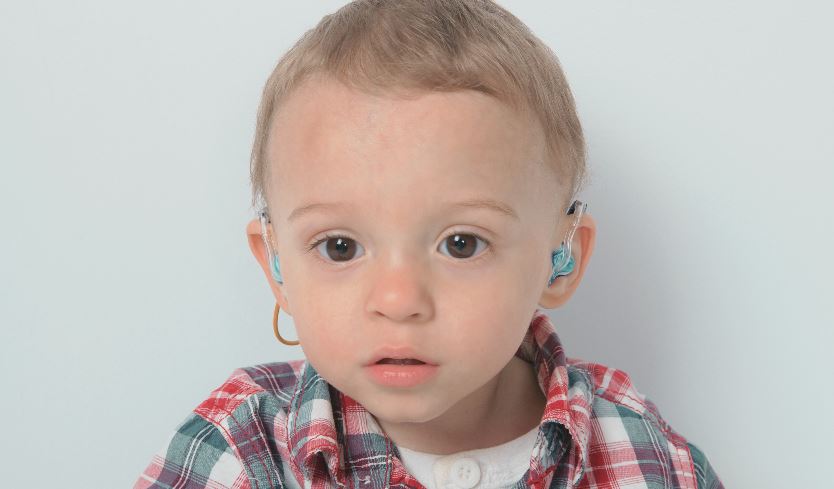
  2. We need to help families find the appropriate retention devices that will keep the hearing aids on the child’s head full time. These may include devices such as Huggies, Ear Gear, Critter Clips, and toupee tape.
  3. We need to teach families to make sure that their children’s technology is working each and every day. Parents can never assume. They need to check their kids’ hearing aids every day.
  4. We need to test to be sure that a child is receiving enough benefit from the hearing aids, and can hear both normal and soft speech.


It is everyone’s job

Making sure technology is working and on is everyone’s responsibility. Audiologists need to be sure parents understand why technology is important and how to check technology. Parents need to check technology daily and take action if it is not working. Children need to be taught to pay attention to whether or not technology is working and report problems. Teachers and therapists need to pay attention to whether the child is responding well with technology and, if not, get help. No one person can do this job alone, but if we all work together, we can be certain that we are providing good auditory access to kids with hearing loss.