

Brian Taylor, AuD, is the Senior Director of Audiology for Signia. He is a veteran of the hearing industry with more than 25 years of experience. Brian is a prolific and respected contributor to the industry with more than 25 publications and numerous speaking engagements both domestically and internationally. He is also the editor of Audiology Practices, a quarterly journal of the Academy of Doctors of Audiology, Editor-at-Large for Hearing Health and Technology Matters and adjunct instructor at the University of Wisconsin.
Featured image for “Israeli Researchers Get One Step Closer to Unraveling Cause of Human Deafness”
Dec. 26, 2017

Israeli Researchers Get One Step Closer to Unraveling Cause of Human Deafness

Brian Taylor
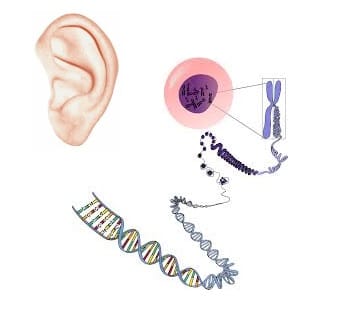
As much as 98% of the human genome does not code for protein. RNAs contained in this non-coding part act as regulatory molecules and have a substantial impact on gene expression. One type of these RNA molecules, called long non-coding RNAs, has been linked to a wide range of diseases and inheritable conditions such as cancer and celiac disease. Recently,

Featured image for “A Preview of CES 2018 Shows Consumer Audio and Hearing Aid Technology Continue to Morph”
Dec. 20, 2017

A Preview of CES 2018 Shows Consumer Audio and Hearing Aid Technology Continue to Morph

Brian Taylor
LAS VEGAS, NEVADA — The annual Consumer Electronics Association meeting, held January 9th to 12th in Las Vegas, often provides us with a glimpse into the future. As user-friendly and relatively low cost consumer electronics devices continue to morph with stodgy medical devices. Billed as the world’s largest get-together of consumer electronic enthusiasts, the 2018 rendition of CES promises not
Featured image for “New App Translates Speech into Text for Deaf Individuals”
Dec. 18, 2017

New App Translates Speech into Text for Deaf Individuals

Brian Taylor
There is a seemingly endless parade of novel audio smartphone-enabled apps, many of them either geared toward audiophiles who want to curate their own individual listening experience, or people with milder hearing loss who want to dabble with amplification. Recently, a new app – one that has the potential to improve the daily living of individuals with severe-profound hearing loss–
Featured image for “Meta-Analysis Indicates Hearing Loss is Modifiable Risk Factor for Cognitive Decline”
Dec. 11, 2017

Meta-Analysis Indicates Hearing Loss is Modifiable Risk Factor for Cognitive Decline

Brian Taylor
Given the prevalence of hearing loss and cognitive decline in our aging population, establishing a link between these two conditions has been an area of staunch interest among researchers and clinicians for several years. In general, issues related to hearing loss has been garnering attention in the medical literate, as a December 2 editorial in the esteemed journal Lancet was
Featured image for “Study Indicates Individuals with Hearing Difficulties are Underserved, Under-referred”
Nov. 29, 2017

Study Indicates Individuals with Hearing Difficulties are Underserved, Under-referred

Brian Taylor
Hearing difficulty remains one of the most prevalent medical conditions in the United States, according to a recent epidemiological study. Furthermore, and perhaps more troubling to professionals, the majority of individuals with hearing difficulties are not referred to either otolaryngology or audiology for advanced care by their primary care specialist. Researchers used the National Health Interview Survey (NHIS) to investigate
Featured image for “Remote Programming via Telemedicine Approved for Cochlear Implants”
Nov. 20, 2017

Remote Programming via Telemedicine Approved for Cochlear Implants

Brian Taylor
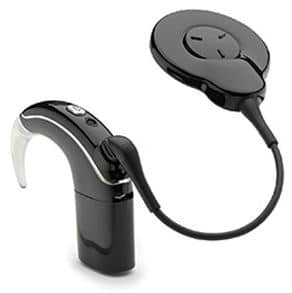
Telemedicine appears to be gaining some traction within audiology circles, as the U.S. Food and Drug Administration approved a remote feature for follow-up programming sessions for the Nucleus Cochlear Implant System on November 17. The remote programming feature is indicated for patients who have had six months of experience with their cochlear implant sound processor and are comfortable with the
Featured image for “Study Shows Potential Promise and Peril in Reversing Cochlear Hearing Loss”
Nov. 13, 2017

Study Shows Potential Promise and Peril in Reversing Cochlear Hearing Loss

Brian Taylor
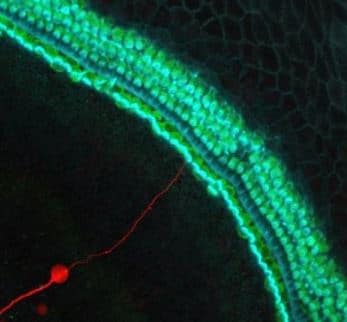
Hearing loss is a serious global morbidity that affects 360 million people worldwide, according to the World Health Organization. At a basic level, hearing loss of adult onset can be a source of social isolation and even depression for individuals coping with its ill-effects. Even more consequential, children with hearing loss are at risk of diminished language and cognitive development
Featured image for “After Promising Start, Doppler Labs Abruptly Closes”
Nov. 01, 2017

After Promising Start, Doppler Labs Abruptly Closes

Brian Taylor
Founded in 2013 with around $50 million in funding, Doppler Labs placed a bet with the consumer electronic marketplace that their DUBS acoustic filters and Here One wireless smart earbuds would be a raging success. Fraught with battery life issues and other problems with its recharging case, Doppler Labs shuttered its doors on November 1.   The decision to close
Oct. 13, 2017

Is Web-based Auditory Training Gaining Traction?

Brian Taylor
The recently passed over-the-counter hearing aid legislation is considered by many hearing healthcare providers to be a shot across the proverbial bow.  The pending re-regulation, which is expected to involve the creation of a product category, sold directly to consumers, could result in more providers offering unbundled services. As the profession looks for new ways of providing services to adults
Featured image for “The Ageless Ears of Barn Owls May Pave Way for Hearing Loss Treatment in Humans”
Sep. 26, 2017

The Ageless Ears of Barn Owls May Pave Way for Hearing Loss Treatment in Humans

Brian Taylor
Considering that three in four individuals, a whopping 9 million Americans, are 80 years of age or older and afflicted with hearing loss, it befits scientists to continue their search for preventing presbycusis. Toward that end, a group of researchers in Germany believe the study of hearing in owls may lead to preventing hearing loss in aging humans. Recently, the