

Brady Workman, AuD, is a staff audiologist working in both the Balance Disorders and Audiology programs at Wake Forest Baptist Health.He specializes in balance disorders such as vertigo, dizziness, and imbalance.
Featured image for “Hearing Loss and Increased Risk of Falling”
Feb. 28, 2024

Hearing Loss and Increased Risk of Falling

Brady Workman
Falls are the leading cause of injury related death in adults 65 or older. In the United States, around $50 billion is spent annually on medical care related to falls in older adults. Data from the World Health Organization estimates that more than 680,000 people die and 172 million suffer from falls related disabilities annually worldwide. Hearing loss is also

Featured image for “Migraine Causes Symptom Overlap with Ear Conditions: A Clinical Conundrum”
Jan. 30, 2024

Migraine Causes Symptom Overlap with Ear Conditions: A Clinical Conundrum

Brady Workman
Vestibular disorders are amongst the most common causes for dizziness accounting for around 40% of all dizziness. In recent years it has become apparent that vestibular migraine is one of the most common vestibular disorders and may even be the most common cause of recurrent episodic spontaneous vertigo. There is not a diagnostic test for vestibular migraine and the diagnosis
Featured image for “Tips and tricks for treating BPPV”
Nov. 28, 2023

Tips and tricks for treating BPPV

Brady Workman
Last month’s post focused on atypical causes of positional vertigo. This month’s post will be a change of pace and will consist of some general tips and tricks that we have found helpful in treating patients with BPPV. Some of the items covered may seem rudimentary to experienced practitioners but hopefully it will be informative to others. Correct positioning during
Featured image for “Atypical positional vertigo”
Oct. 26, 2023

Atypical positional vertigo

Brady Workman
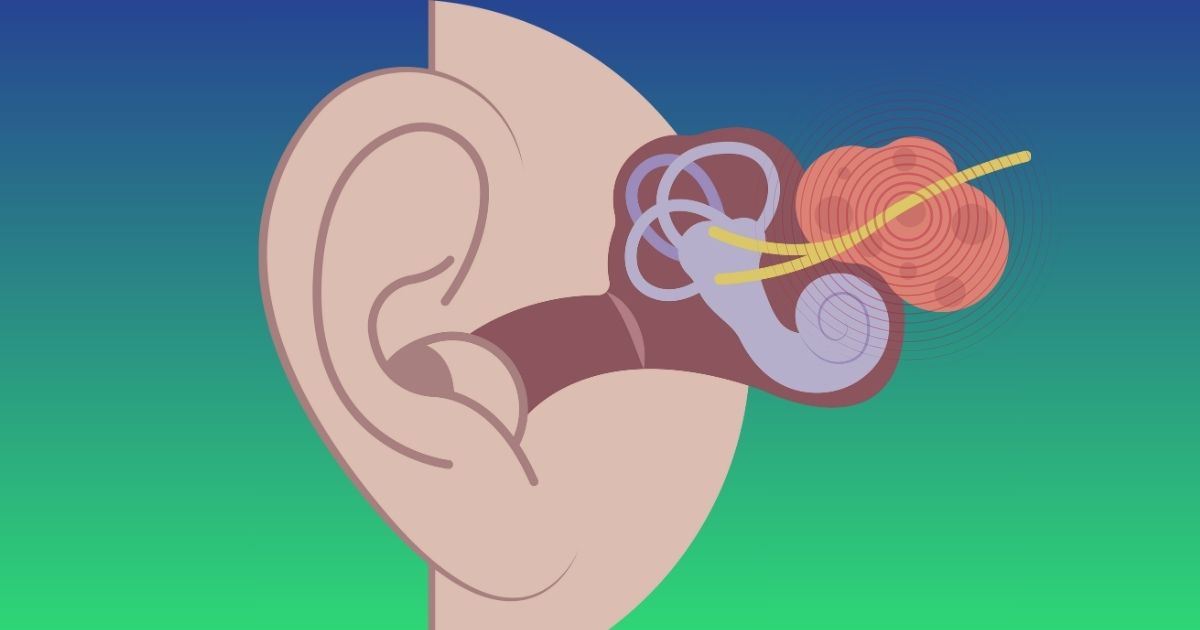
The majority of cases of positional vertigo are attributed to the condition of benign paroxysmal positional vertigo (BPPV). BPPV occurs when otoconia migrate into the semicircular canals of the inner ear, resulting in nystagmus and a sense of vertigo that occurs with head movement or position change. Most cases of BPPV impact the posterior semicircular and are readily treated with
Featured image for “Meniere’s Disease: Still a Mystery”
Aug. 29, 2023

Meniere’s Disease: Still a Mystery

Brady Workman
There have been symptom reports consistent with Meniere’s disease for many years yet it still remains poorly understood. There is some suspicion that historical figures such as Julius Caesar, Martin Luther, and even Vincent Van Gogh may have had the condition.4 The condition was first theorized to be an inner ear condition by French physician Dr. Prosper Meniere in 1861.3
Featured image for “Vestibular Schwannoma, Acoustic Neuroma: Common Findings for an Uncommon Diagnosis”
Jul. 18, 2023

Vestibular Schwannoma, Acoustic Neuroma: Common Findings for an Uncommon Diagnosis

Brady Workman
As audiologists providing both vestibular and hearing assessment, we evaluate individuals with a variety of hearing and/or dizziness related symptoms. We frequently encounter the same common diagnoses. For instance, a symmetric high frequency sensorineural (inner ear/auditory nerve) hearing loss is commonly encountered in a hearing evaluation and may be observed in older adult patients and/or those who have been exposed
Featured image for “The Masseter VEMP (mVEMP) and Potential Clinical Applications”
Jun. 13, 2023

The Masseter VEMP (mVEMP) and Potential Clinical Applications

Brady Workman
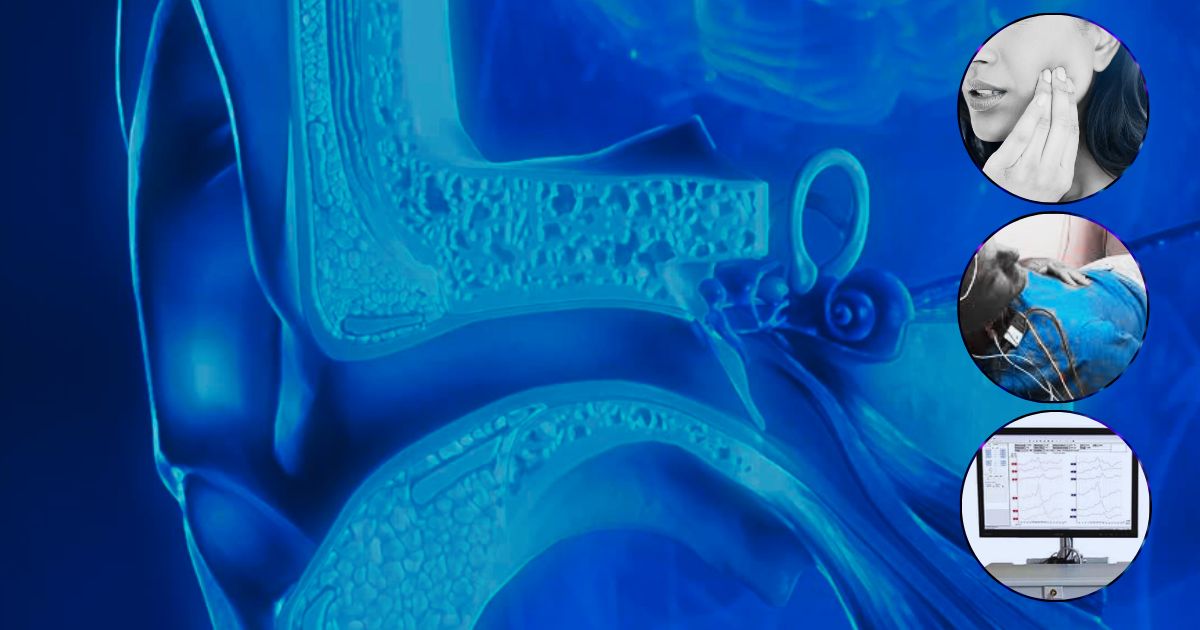
A vestibular evoked myogenic potential, or VEMP, is a measure of vestibular function that only recently is seeing widespread clinical use. A VEMP is a measurement of a change in muscle activity in response to stimulating the vestibular system. These measures allows us to intuit the function of specific end organs of the inner ear, predominantly reflecting the function of
Featured image for “Vitamin D Deficiency: Can it Cause Vertigo and Hearing Loss?”
Mar. 22, 2023

Vitamin D Deficiency: Can it Cause Vertigo and Hearing Loss?

Brady Workman
Vitamin D is an essential nutrient, necessary for building and maintaining healthy bone structure by promoting calcium absorption in the body. Despite its importance, vitamin D is not found naturally in many foods. Also, with populations spending less time outdoors, vitamin D obtained naturally from sunlight is likely declining. As such, vitamin D deficiency is widespread with an estimated 1
Featured image for “VNG: An Incomplete Picture”
Feb. 22, 2023

VNG: An Incomplete Picture

Brady Workman
Vestibular disorders are the most common reason for symptoms of dizziness regardless of the clinical setting. A five study average reveals that vestibular disorders account for around 45% of all dizziness and are much more common than cardiovascular or potentially life threatening neurologic causes for dizziness. Despite the magnitude of individuals suffering from vestibular type dizziness, these disorders are historically
Featured image for “Modified Epley Maneuver Update”
Jan. 31, 2023

Modified Epley Maneuver Update

Brady Workman
The most common vestibular disorder is the condition of Benign Paroxysmal Positional Vertigo (BPPV), which accounts for up to 40% of all patients experiencing vertigo. This condition is the result of otoconia (inner ear crystals) migrating into one of the semicircular canals (head turn sensors) of the inner ear. The majority of cases can be readily treated with canalith repositioning