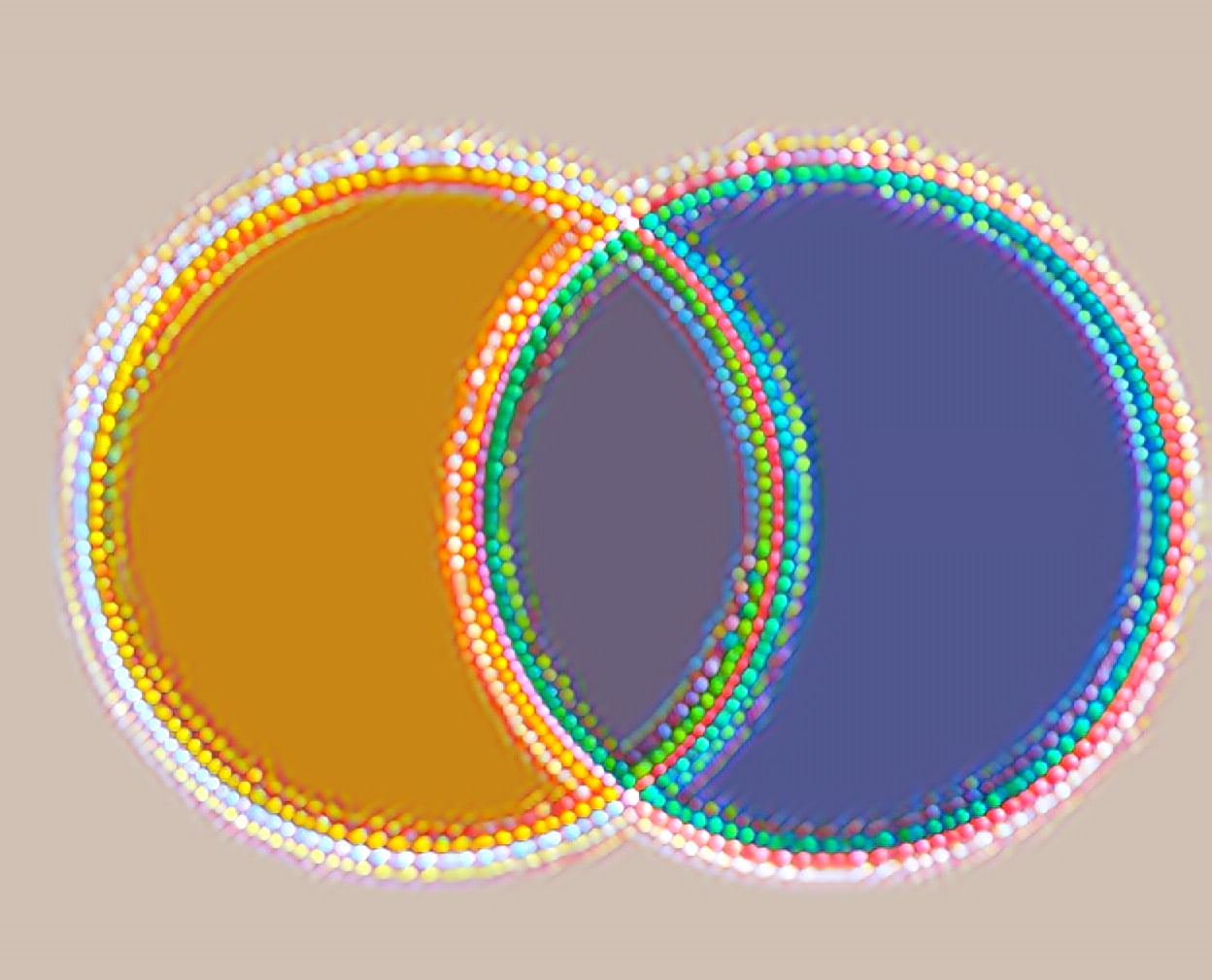
I am deaf but not Deaf. I can hear but I’m not Hearing (term for someone who does not have hearing loss, which I have not capitalized for this article).
So, what am I?
Last night, we watched CODA (child of Deaf adults), the new movie about a family that has both Deaf and hearing family members. Mom, Dad, and the grown son are Deaf, and the teenage daughter is Hearing– as well as her family’s interpreter for their communication with other people in their town and fishing business.
The film was charming and moving. I cried a bit and so did the Hearing Husband because we both saw bits of ourselves in the movie. He, as the spouse of a woman with profound hearing loss, saw the challenges that he lives with daily. I teared up at some brilliantly acted moments that were spot-on and painfully familiar. A lifetime of making a lot of noise and not realizing it because I couldn’t hear it. The isolation when everyone around me understands what’s going on or being said. The having to stare intently at someone’s face to make out what they were saying.
I am not Deaf like the characters in CODA. Without my assistive technology I am functionally deaf, but with it, I can hear, although I miss a lot and I still need to speechread. I must also advocate for myself with other people – please speak up, face me, slow down, turn down the background noise, etc.
Many people with hearing loss feel caught between the Deaf and Hearing worlds. But I have never seen it that way; to me, the idea of Deaf and Hearing as being separate worlds doesn’t make sense to me. Deaf Culture is a way of life which has its own values, traditions, social norms and identity– and its own language, the language of sign although there is no universal sign language. The ‘hearing world’ is one where presumably people have the sense of hearing–the perception and understanding of sound. But here’s the thing: whether it’s Spanish, English, German, or Tagalog, you don’t need the ability to hear, or hear well, to speak, write and use a ‘spoken’ language.
Sign language is part of Deaf Culture, but Hearing people don’t have a culture built around their common ability to hear. They don’t bond over it. In fact, they generally don’t even think about it – they hear organically, without effort. It’s what they do.
I don’t feel caught between being Deaf and Hearing just as I, because I use corrective lenses, don’t feel caught between the worlds of being Blind or Sighted. I have profound hearing loss, but English is my language – I just can’t always hear or understand it. I have to work at it.
When people say they feel caught in the middle, they may be saying that communication is difficult, frustrating, and very imperfect. They can’t communicate with ease, in the way that Deaf people can sign fluently with each other and Hearing people can talk and hear easily with each other. Hearing loss changes lives and navigating that change is challenging – because most people, (yes, the Hearing ones), don’t yet understand what we need. Especially if we don’t tell them!
When we have hearing loss, we need help to communicate in the language we know. We must learn to use technology and non-technical strategies such as using visual cues. We must become comfortable, through practice, in expressing our communication needs and how to have them met.
Our world is one of overlapping languages and modes of communication. If we become separated because of hearing challenges, we must work with our communication partners to bridge the gaps.
So, who am I and where do I fit? What I know is this: I’m a person with hearing loss who uses versions of the spoken – and good communication means the world to me.