

by Terry Mactaggart, President and CEO, Summus Hearing

Terry Mactaggart
The last three posts have focused on supply – how current, new, and potentially other providers could “Move the Meter”, making inroads on confronting the Hearing Health Problem. The corollary question involves the demand side of the equation, making hearing health maintenance more understood, relevant, and approachable to and for the Public.
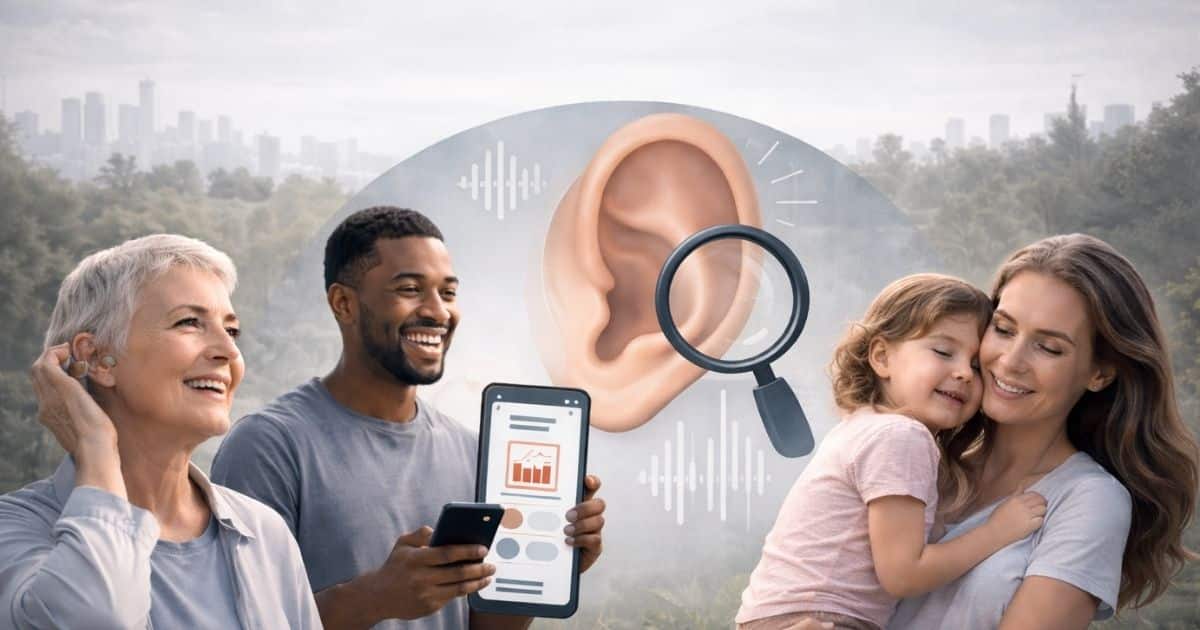
Shifting hearing health from a “nice-to-have” to a “must-have,” requires a multipronged approach that meets people where they live, work, and play—turning abstract risks into concrete, everyday actions.
The current state of affairs is discouraging. Less that 10% of the public have tested their hearing and of those, the majority are reluctant to act when that is warranted to preserve or rehabilitate their hearing function. Stigma about growing older, wearing hearing aids, particularly given the perceived cost, or increasingly more prominent among the very large cohort under 50, belief that “My hearing is fine, I don’t need to worry about it”. Yet to a person in my experience, everyone had a hearing story – about themselves, family members, or others they know.
Almost everyone has a read on their sight, and as they enter their mid decades, their blood pressure. Hearing, on the other hand, is ignored (or underrated) by most health providers. It’s trickier as hearing loss usually sneaks up on you; if and when detected, it’s often late in the “Journey” restricting options for prevention, heading it off at the pass.
While recent research, more publicity and the availability of online testing have served to marginally increase awareness, greater efforts are required to blunt the status of untreated hearing heath as a major chronic problem.
Some strategies like Annual Awareness Events have been evident for some time. May as Speech & Hearing Month and March 3 as World Hearing Day are prime examples whereas other Awareness Days for Tinnitus and Cochlear Implants (both in February) and Noise (in April) add to the campaign. Leverage could be increased in each case via programs sponsored by local libraries, senior centers, service clubs, schools, and pharmacies. Targeted use of social media could add significantly to reach.
Broadening Public Education Campaigns would definitely be additive. Initiatives like:
- Promoting Safe Listening Practices: Roll out a city-wide “Listen Safely” PSA series on Facebook and Instagram, emphasizing volume limits and headphone breaks, guided by public-health best practices.
- Advocating for Protective Device Use: Work with sports leagues and concert venues to distribute custom earplugs and posters on noise risks, mirroring workplace hearing conservation programs.
- Emphasizing School-Based Curriculum Integration: Introduce brief modules on sound levels and ear health in middle-school science classes, coupled with classroom decibel-meter activities.
- Supporting Policy for Noise Standards: Mobilize community coalitions to petition local governments for stricter regulations on construction-site and nightlife noise levels.
Harnessing Digital Tools and Increasing Community Outreach
- Placing Teleaudiology Kiosks in Pharmacies: Install self-guided hearing tests linked to follow-up referrals, complete with step-by-step instruction videos and automated SMS reminders. We know from
- Mobile Hearing Clinics: Deploy vans staffed by hearing-aid practitioners and medical assistants to underserved neighborhoods, offering free screenings and on-site referrals.
- Smartphone Hearing-Check Apps: Endorse and promote validated apps that enable users to self-screen and automatically notify nearby audiology practices when thresholds fail.
- Community Health Worker Training: Equip lay health workers with pocket-sized audiometers and referral cards to integrate hearing checks into routine home visits for older adults.
Empowering Patient and Influencer Engagement – a strategy that has been used successfully for other disease states. Approaches could include:
- Patient Story Campaigns: Produce short videos chronicling real journeys from “I thought it was just earwax” to “I hear my grandkids again,” amplifying on YouTube and local TV.
- Celebrity and Micro-Influencer Partnerships: Work with musicians, podcasters, and fitness influencers to normalize hearing checks and ear protection, using branded hashtags.
- Online Advocacy Challenges: Launch a TikTok challenge where users share “before and after” ear-plug experiences at loud events, tagging clinics and audiologists.
- Grassroots Advocacy Training: Host webinars teaching patients and families how to lobby for hearing-health provisions in workplace wellness programs and school policies.
The public is typically mobilized by an opportunity or crisis. The Hearing Health Problem offers some of both. By embedding such tactics into everyday channels—schools, pharmacies, social media, community centers—we could transform hearing health maintenance from a specialized medical task into a natural, public-facing health habit.
Pressing ahead with these initiatives can deepen public engagement, making hearing health as routine as checking blood pressure or brushing teeth.
About the Author
Terry Mactaggart, MBA, is the president and CEO of Summus Hearing. He can be contacted at [email protected] or visit https://summushearing.com