


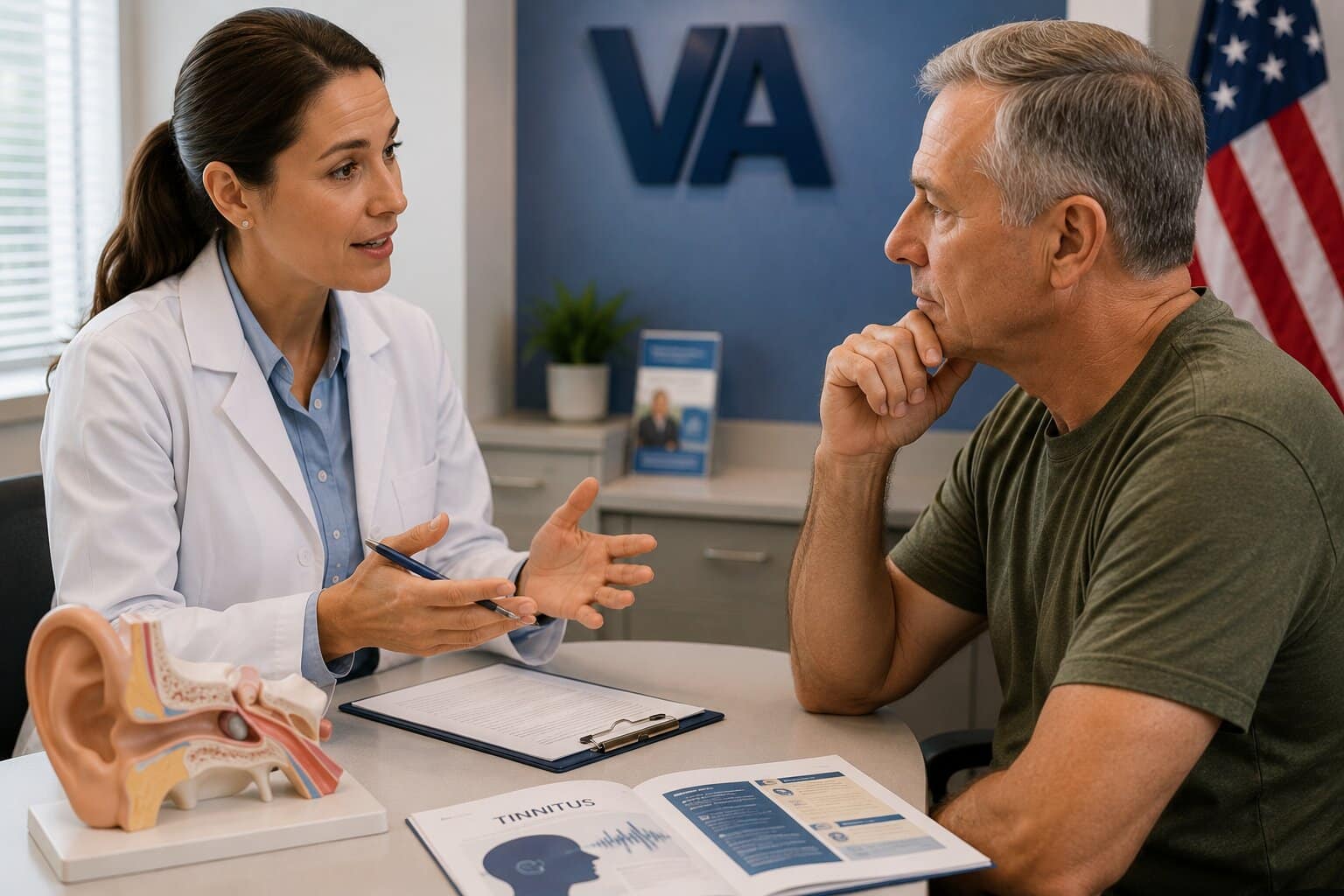
A coalition of U.S. senators and national veterans organizations is pushing back against proposed changes that could significantly alter how the Department of Veterans Affairs evaluates tinnitus and sleep apnea for disability compensation.
The proposal has drawn opposition from Sen. Angus King and other lawmakers, as well as Disabled American Veterans (DAV) and the Veterans of Foreign Wars (VFW).
While the broader debate includes sleep apnea and veterans disability policy, the issue has particular relevance for hearing healthcare professionals because tinnitus remains the most common service-connected disability recognized by the VA.
Tinnitus at the Center of the Debate
In a letter to VA Secretary Doug Collins, King and several Senate colleagues opposed the proposed reductions, warning that the changes could affect benefits for more than one million veterans with tinnitus and sleep apnea.
“We write in strong opposition to a proposed reduction in benefits for more than one million veterans suffering from sleep apnea and tinnitus outlined in the Department of Veterans Affairs (VA) draft rule entitled ‘Schedule for Rating Disabilities–Ear, Nose, Throat, and Audiology Disabilities; Special Provisions Regarding Evaluation of Respiratory Conditions; Respiratory System’ (RIN: 2900-AQ72). We urge you to listen to the growing opposition from veterans and publicly commit to addressing their concerns.”
According to King’s office, the proposed rule would change how tinnitus is evaluated by eliminating tinnitus as a standalone disability in many cases and instead linking it to another underlying service-connected condition.
The senators noted that, based on VA’s own regulatory impact analysis, more than 60% of veterans who submit tinnitus disability claims are not service connected for another underlying pathology.
For audiologists and other hearing care professionals, that distinction is important. The proposal would not change how tinnitus is clinically diagnosed or managed, but it could change how tinnitus is recognized within the VA disability compensation system.
Broader Veterans Benefits Context
The tinnitus provisions are part of a broader dispute over proposed changes to VA disability ratings, including obstructive sleep apnea. Veterans organizations have argued that the changes would reduce future disability compensation for many veterans and shift costs onto those with service-connected conditions.
King and his colleagues also objected to the proposed Take Care of America’s Veterans Act, arguing that it would codify similar changes affecting tinnitus and sleep apnea benefits.
“Along with the draft rule, we are equally opposed to the Take Care of America’s Veterans Act because it codifies the same harmful reductions in benefits for veterans with tinnitus and sleep apnea benefits. By writing these cuts into statute, the legislation would permanently implement the very policies that veterans, medical experts, and veterans service organizations have overwhelmingly opposed.”
The senators also pointed to Secretary Collins’ prior statement during his confirmation process:
“We’re not going to balance budgets on the back of veterans’ benefits.”
DAV and VFW Voice Opposition
DAV has strongly criticized the proposal, saying it could affect up to 1.5 million veterans and reduce future disability compensation payments by as much as $57 billion over 10 years, based on VA analysis cited by the organization.
“Once again, we find ourselves in the regrettable position of having to defend the benefits that disabled veterans earn through their service and sacrifice.”
DAV also argued that the proposed changes would “effectively stop compensating veterans for the impact of service-connected tinnitus” and reduce compensation for many veterans with sleep apnea who use CPAP devices.
The VFW has also opposed the proposal, warning that Congress could codify previously proposed VA disability rating reductions for tinnitus and sleep apnea.
“The VFW strongly opposes the Take Care of America’s Veterans Act as currently drafted because it asks future disabled veterans to bear the cost of expanding benefits through changing the VA rating schedule for tinnitus and obstructive sleep apnea which are common conditions associated with combat poly trauma,” said VFW National Commander Carol Whitmore.
In a separate action alert, VFW said the projected savings would not come from administrative efficiencies.
“Let’s be clear. Those savings do not come from waste, fraud, abuse, or bureaucracy. They come directly from veterans.”
Potential Implications for Hearing Care
For clinicians who work with veterans, the proposed changes raise important questions about how tinnitus is recognized in disability policy, particularly when tinnitus occurs independently or without another service-connected hearing condition.
Tinnitus is often associated with military noise exposure, blast exposure, traumatic brain injury, and other service-related factors. However, its subjective nature and variable relationship to measurable hearing loss have long made it a complex condition in both clinical and policy settings.
The proposed rule remains under consideration, and no final changes have been implemented. Opposition from lawmakers and veterans organizations is expected to remain a central part of the debate as VA and Congress consider next steps.
Sources: Office of Senator Angus King; DAV; VFW; VFW Action Alert