

Nancy Williams, a person with hearing loss who holds an MBA from Harvard Business School and is President and Founder of Auditory Insight, published an informative paper in MedCity News about the trend toward consumerization of health care. She shared excellent insights about this transformation in the wake of the OTC Hearing Aid Act of 2017 which instructs the FDA to create a class of OTC hearing aids for adults with mild to moderate hearing loss leading the hearing aid industry to join the ranks of select prescription categories (e.g. eyeglasses, diagnostic tests) which have already added an over-the-counter (OTC) category. In general, she argued that in offering lower prices and improved access, OTC categories create significant value in dollars for the U.S. healthcare system and cost savings and increased choice for the patient.
Regarding proposed advantages for the consumer, Williams points out that availability of OTC devices will encourage persons with hearing loss to seek treatment more quickly and conveniently. Importantly, according to experts in the OTC market, this trend may open up access to a new form of support for consumers in the form of e-health coaches which through “apps” will provide advice re stigma, maintaining hearing aids, and workplace accommodations. In my view of course, there is no replacement for audiologists as “hearing coaches” but we must embrace and own this role.
Williams goes on to explain that the obstacle for OTC are similar to the challenges we have been confronting for decades namely awareness within physician communities regarding who to target and among persons with hearing loss who must first be aware of the risks posed by hearing loss and value of hearing healthcare solutions.
Behavior change is a must. Physicians must recognize the value of screening for hearing difficulties which pose a danger in terms of safety and psychosocial well being (not only hearing loss). Persons with hearing loss will still need to overcome the stigma of seeing hearing aid use as representing disability rather than providing a social advantage and social connectedness and mobility.
Notably, Shari Eberts in her recent blog summarizing her experience presenting at the AAA Annual meeting in Nashville, noted that audiologists seemed to be slowly embracing the reality of OTC hearing aids and are looking at options for best integrating OTC hearing aid wearers into their audiology practice.
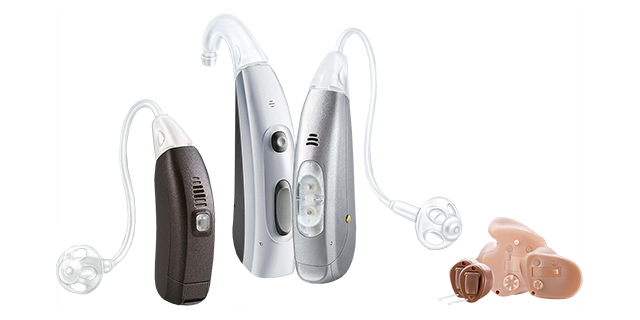
I would add to her comment and suggest that audiologists should offer a variety of hearing health care interventions in their practice ranging from hearables and personal sound amplifiers to samples of OTC hearing aids which may prove beneficial for selected situations. By including non-traditional aids in our practices we are tailoring to each patient based on our understanding of patient needs and lifestyle.
These are just a sampling of voices from which you will hear going forward in my column. Partnering with persons with hearing loss and hearing and applying what they have to say, in my view, will help audiologists deliver the person centered care essential to best practices.
*featured image courtesy The Independent Pharmacist