

Vestibular disorders are one of the most common causes of dizziness regardless of clinical setting. The dizziness is most often due to an involuntary eye movement called nystagmus. Nystagmus occurs due to disagreement between the inner ear balance organs or centrally in the brain/brainstem.
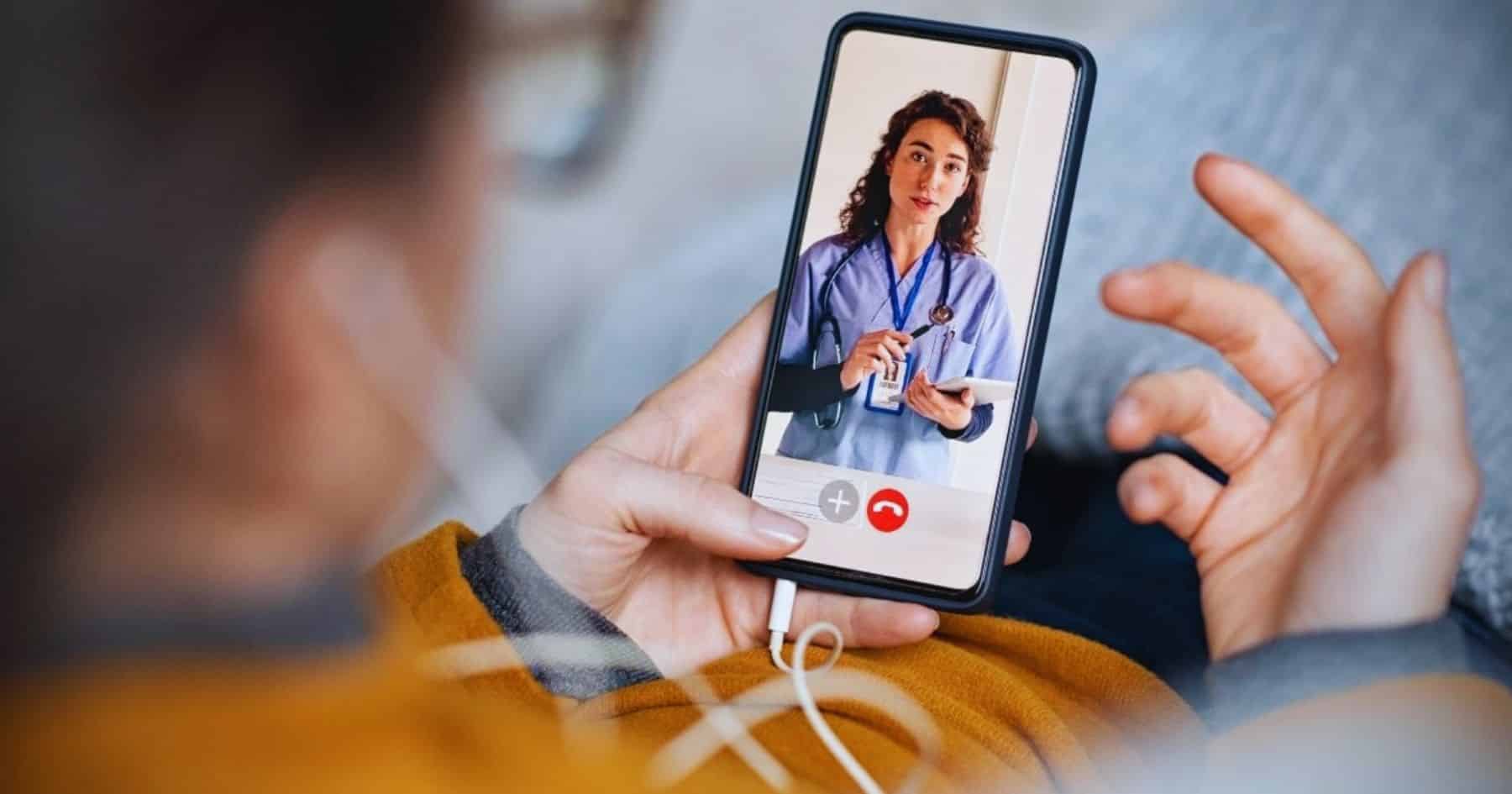
In most cases, this nystagmus is temporary or may recur sporadically, depending on the condition. The intermittent nature can make diagnosis difficult. As such, we have previously advocated for smart phone use to record nystagmus outside of the clinic for additional data. This allows the examiner multiple chances to determine if there are any visible nystagmus during the episodes of vertigo and if there is nystagmus, what is the pattern of nystagmus. The nystagmus pattern can give clues as to the most likely cause for the symptoms.
The two primary instances where we have found remote videos like this to be useful are in cases of benign paroxysmal positional vertigo (BPPV) or in cases of vestibular migraine versus Meniere’s disease.
Using Smartphones to Capture Nystagmus for More Accurate Vestibular Diagnosis
BPPV is the most common vestibular condition and results in brief episodes of vertigo and nystagmus, lasting less than 1 minute in duration, typically associated with head movement and position change. The condition occurs due to inner ear crystals called otoconia migrating into one or more of the head turn sensors of the inner ear.
The condition spontaneously resolves for most individuals after a period of weeks or months but can cause significant dizziness when active. The condition can also recur throughout the lifespan. With appropriate treatment exercises, the symptoms can typically be reduced to just a few days.
Remote video recordings of nystagmus provide clinicians with more chances to detect patterns that reveal the likely cause of dizziness.
The most widely utilized test for BPPV is the Dix Hallpike, which consists of reclining the patient backward onto an exam table/ bed with the head turned 45 degrees to the right or left. The examiner then monitors for any nystagmus. There can be different patterns of nystagmus associated with the condition and the pattern of the nystagmus give the examiner clues to the correct treatment. Even when the symptoms are active, BPPV has a high negative exam rate.
All these factors can make diagnosis difficult. Remote recording during a Dix Hallpike performed at home or in a remote location can allow the examiner a greater number of chances to assess for any nystagmus.
In our experience, most people require an assistant to record their eyes while they perform a Dix Hallpike.
Differentiating BPPV, Vestibular Migraine, and Meniere’s Disease with Remote Monitoring
 Vestibular migraine and Meniere’s disease are two common vestibular disorders that can have significant overlap in the symptoms, which can make diagnosis difficult. During an episode of Meniere’s disease, the patient will typically exhibit a robust horizontal nystagmus. In vestibular migraine the nystagmus is rarely robust or may not be present at all. Also, there could be differing patterns of nystagmus in vestibular migraine.
Remote interpretation of any nystagmus during an episode can be helpful in differentiating between these two diagnoses. These conditions are treated differently, and accurate diagnosis is paramount for correct treatment.
There are some pitfalls in remote assessment of nystagmus with a smartphone:
- The patient is often acutely vertiginous, making it difficult for them to navigate taking a video on their phone. As such, an easy user interface is necessary for this to be a viable tool.
- Nystagmus from inner ear conditions can also be suppressed, at least to some degree, in a vision permitted condition. This is because inner ear related nystagmus can largely be suppressed or minimized by visual input. It is more ideal to be able to assess in a darkened environment, which is difficult to achieve with a basic smart phone.
I recently discovered a pilot study for a phone application named iCAPNYS that allows for remote interpretation of nystagmus through the users smart phone and they even have a solution for removing visual fixation. This new application allows the user to record their nystagmus in an application on their phone, and it even uses the internal gyroscopic sensors in the phone to determine the patient’s head position.
They have also developed a folding 3d printed cardboard goggle that can hold the patient’s phone, while also removing visual fixation suppression by placing the patient into a darkened environment. This is a promising application with an affordable and efficient means of removing visual fixation suppression.
New smartphone applications are making remote monitoring of nystagmus more sensitive, affordable, and easier to implement.
This study is only the pilot data, and I look forward to reviewing any further data collection they complete, as well as any other similar products/applications that are likely to come to market. These tools make remote monitoring for nystagmus more sensitive and simpler to implement.
Brady Workman, AuD, is an audiologist in the Balance Disorders program at Wake Forest Baptist Health Center. He has authored several articles relating to balance and vestibular disorders as a regular contributor and co-editor of the Dizziness Depot at Hearing Health & Technology Matters. Brady received his doctorate of audiology from East Tennessee State University in 2018 and is licensed by the North Carolina Board of Examiners for Speech Language Pathologists and Audiologists and is a fellow of the American Academy of Audiology.